
Applications
Halogen sensors are deployed across municipal water systems, commercial buildings, maritime vessels, and industrial facilities worldwide.
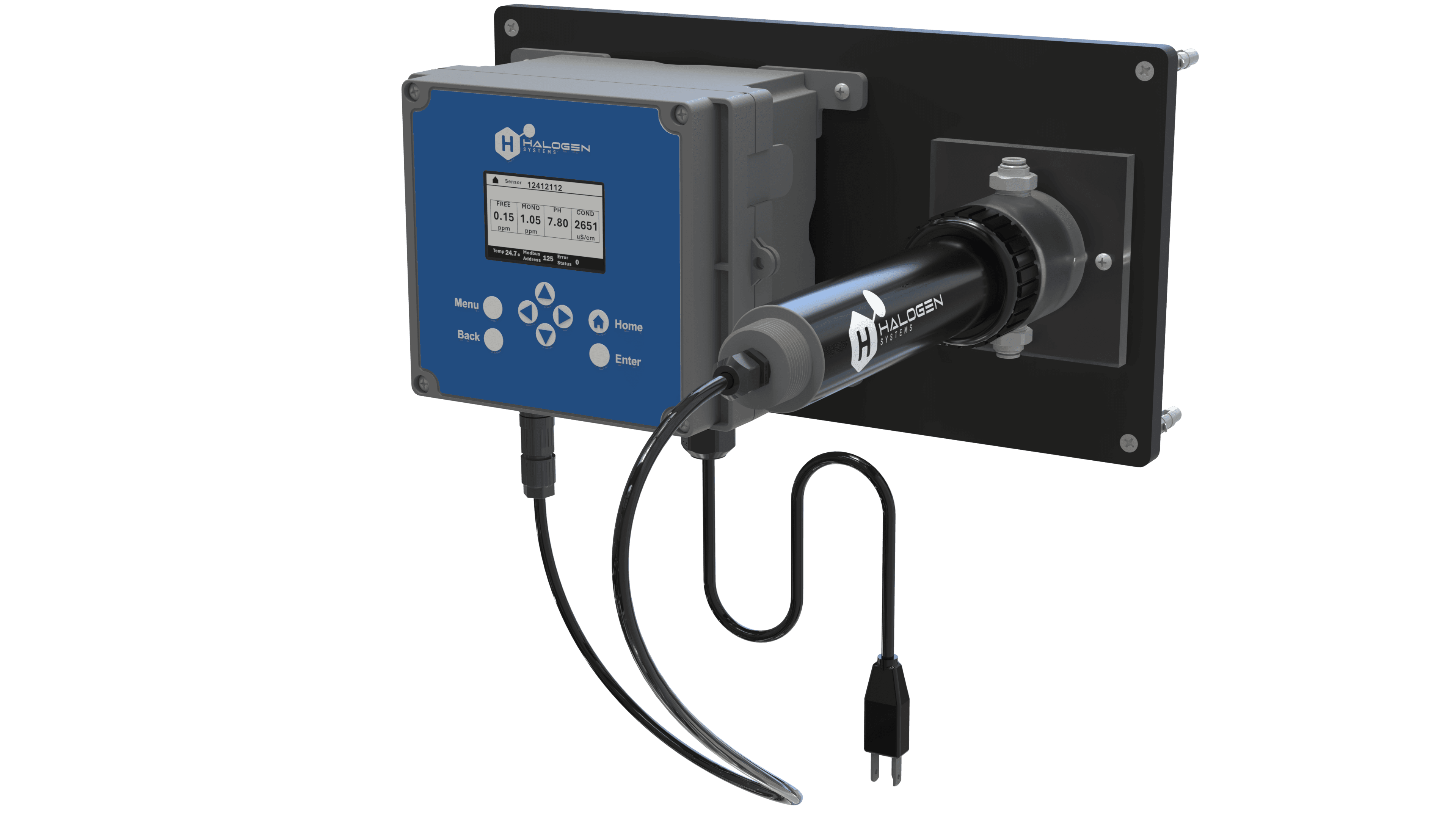
Distribution Monitoring
Monitor chlorine residual throughout your distribution system — dead ends, water towers, and hot spots.
Learn More arrow_forwardLow-Flow Chlorine Monitoring
Setup and troubleshooting for dead ends, tanks, zero-flow points, and MKIT side streams.
Learn More arrow_forwardLegionella & Hot Water
NSF-61 certified in-pipe monitoring for Legionella prevention in building water systems.
Learn More arrow_forwardRemote Monitoring
Battery-powered, cellular-enabled off-grid chlorine monitoring for remote sites.
Learn More arrow_forwardIn-Plant Monitoring
Continuous chlorine measurement at treatment plants — intake through effluent.
Learn More arrow_forwardSmall Systems
Rural water systems with S 4-20 mA controlled dosing, Stenner tank integration, and cellular IoT monitoring.
Learn More arrow_forwardUnattended Operation
Monitor remote sites between visits with cloud-connected measurements. Retain required grab samples, reference checks and scheduled maintenance.
Learn More arrow_forwardRest Stops & Campgrounds
Continuous chlorine monitoring at rest stops, campgrounds, and mobile home parks — no technician visits required.
Learn More arrow_forwardNJ S2188 Compliance
P.L. 2024, c.66 (S2188). Public community water systems over 100 connections must hold 0.3 mg/L free chlorine or 1.0 mg/L monochloramine in the distribution system. Those residual numbers are not an analyzer mandate.
Learn More arrow_forwardSensus AMI Integration
Add continuous water quality monitoring to your existing Sensus FlexNet AMI network — no new communication infrastructure required.
Learn More arrow_forwardCustom Solutions
Developing a unique monitoring project? Our engineering team can help.
Contact EngineeringNot sure which application fits?
Our technical advisors are available to help you find the right solution for your specific water monitoring needs. Use our interactive tool to narrow down the best hardware for your site.
Need technical specifications?
Download our full application catalog or schedule a consultation with a monitoring specialist today.
Legionella monitoring for owners and water treaters.
Hot & cold water monitoring
Plan hot- and cold-water residual monitoring to support your Legionella water management program. Guidance for building owners and water treatment providers.
BUILDING OWNERSVisibility, responsibilities & costs
See how continuous water-quality monitoring supports building water management, operating-cost decisions and coordination with your water treater.
WATER TREATERSIntegration, reporting & service
Plan residual monitoring, OEM integration and service reporting for building water management. Explore sensor selection and a practical customer pilot.
From makeup water to facility controls.
Know your water. From incoming supply to every cooling loop.
Monitor free chlorine, pH, temperature, conductivity and ORP across data-center facility water. Explore low-maintenance sensing and analyzer water savings.
DATA-CENTER GUIDEUnderstand the water in every cooling tower.
Use free chlorine, pH, temperature, conductivity and ORP trends to understand cooling-tower treatment, concentration and changing operating conditions.
DATA-CENTER GUIDEKnow the water entering your cooling system.
Establish incoming and tower-makeup baselines for free chlorine, pH, temperature, conductivity and ORP. Follow source, storage and blending changes.
DATA-CENTER GUIDEMake water-quality changes visible to your water-management team.
Track residual, temperature and water-quality changes at data-center control points. Support a documented Legionella water-management response.
DATA-CENTER GUIDEKeep the measurements. Reduce the water sent to drain.
Compare low-maintenance MP-5F water-quality monitoring with existing sample drains. Quantify analyzer water savings across your data-center campus.
DATA-CENTER GUIDEHow much water could your monitoring points save?
Calculate annual sample-water savings from direct MP-5F installation. Compare drain flow, operating hours and monitoring points, then download your estimate.
DATA-CENTER GUIDESee what changes when your water source changes.
Monitor free chlorine, pH, temperature, conductivity and ORP when data-center water sources or blends change. Compare incoming and cooling-loop conditions.
DATA-CENTER GUIDEManage concentration with a clearer view of tower water.
Use MP-5F conductivity, pH, temperature, free chlorine and ORP trends to support treatment-approved cooling-tower concentration and blowdown decisions.
DATA-CENTER GUIDEUse five water-quality trends to find the next check.
Investigate changing residual with pH, temperature, conductivity and ORP. Compare supply and loop trends, verify samples and check BMS data.
From the intake to the next step.
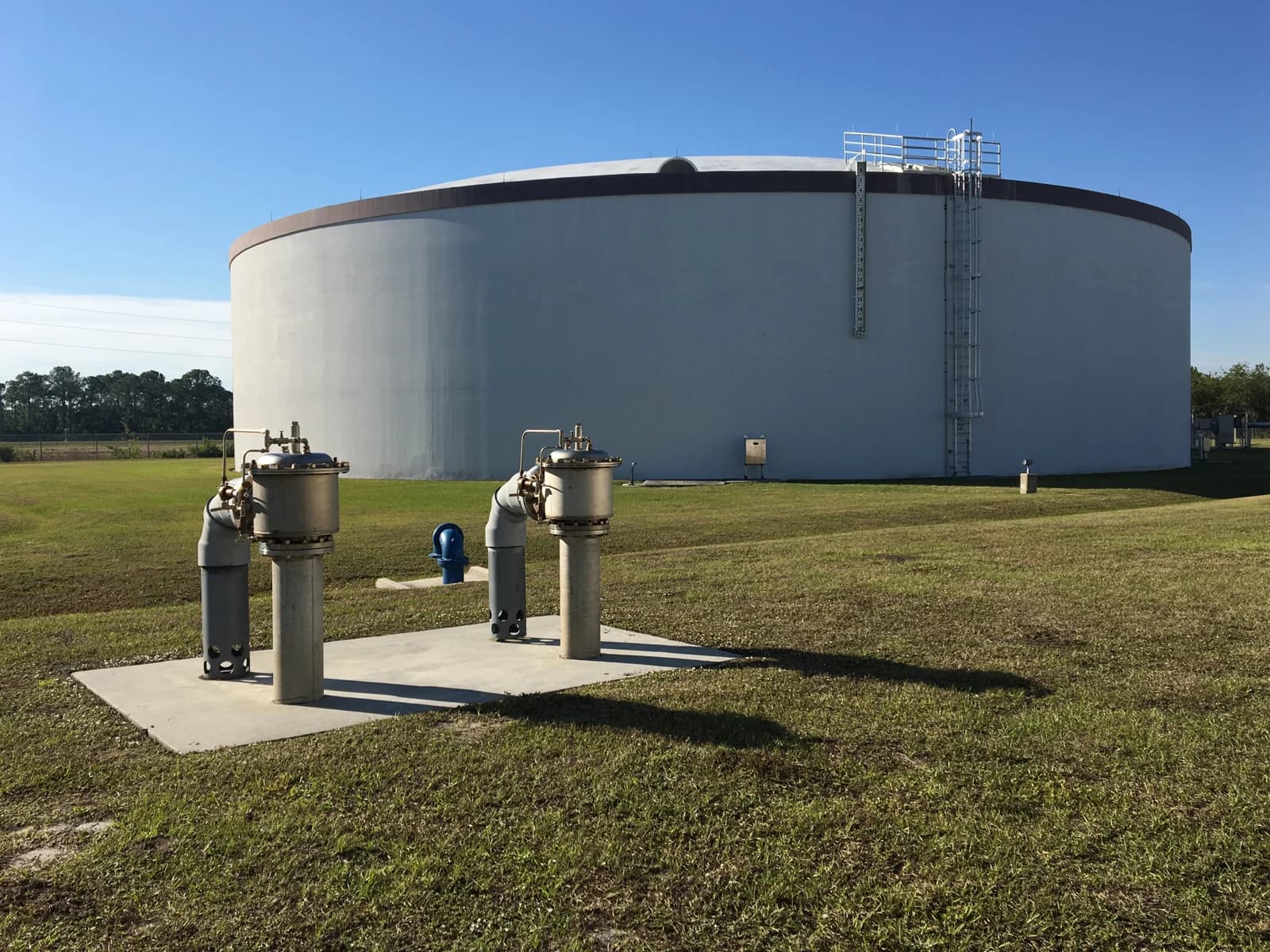
Tank & reservoir chlorine monitoring
Simplify free or total chlorine monitoring in rooftop tanks and reservoirs. Direct immersion, no external sample pump, and fewer components to install and maintain.
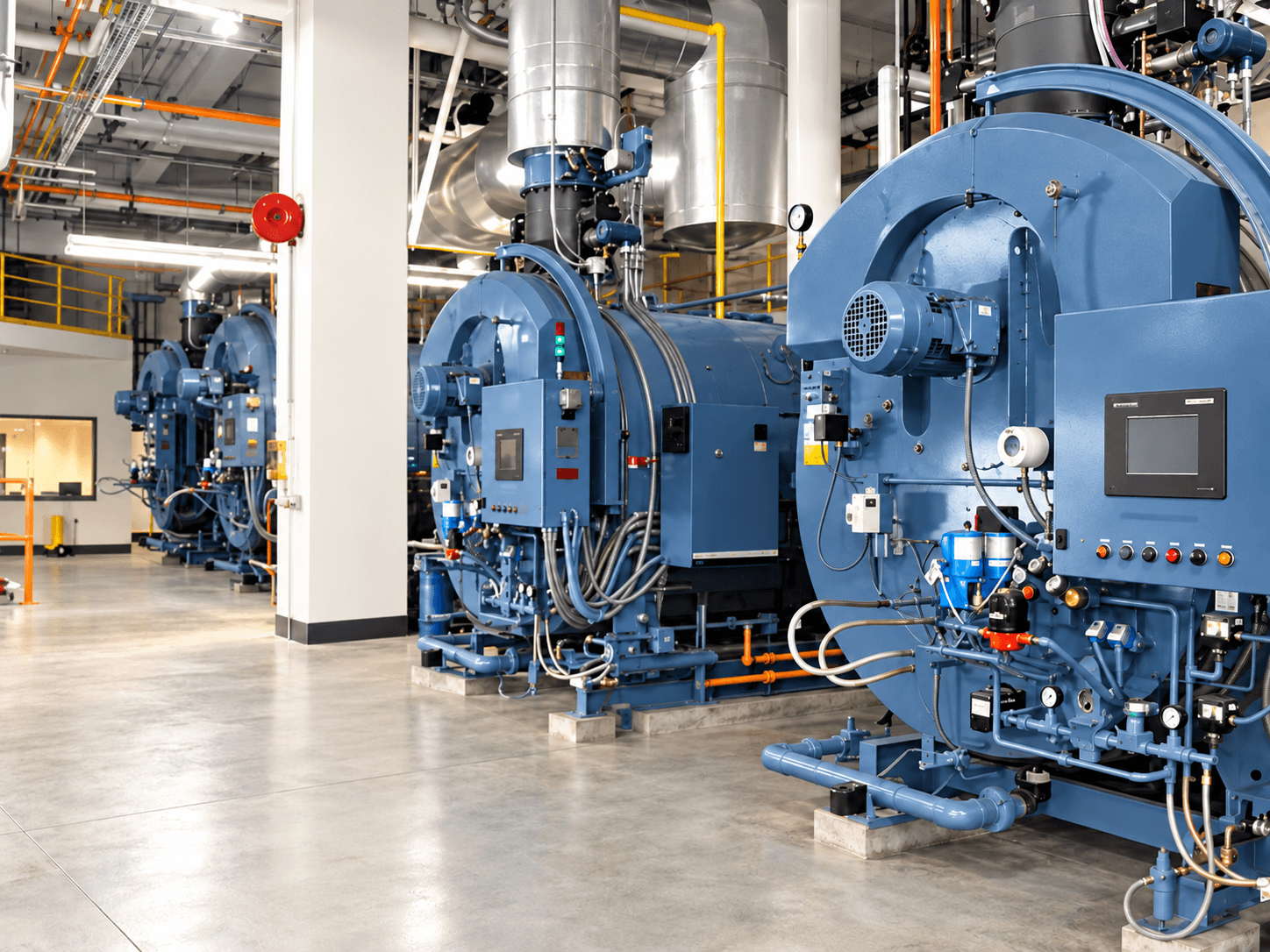
Steam and boiler makeup-water chlorine monitoring
Track incoming disinfectant and evaluate chlorine removal in boiler makeup-water pretreatment. Define monitoring points, detection requirements and operator response.
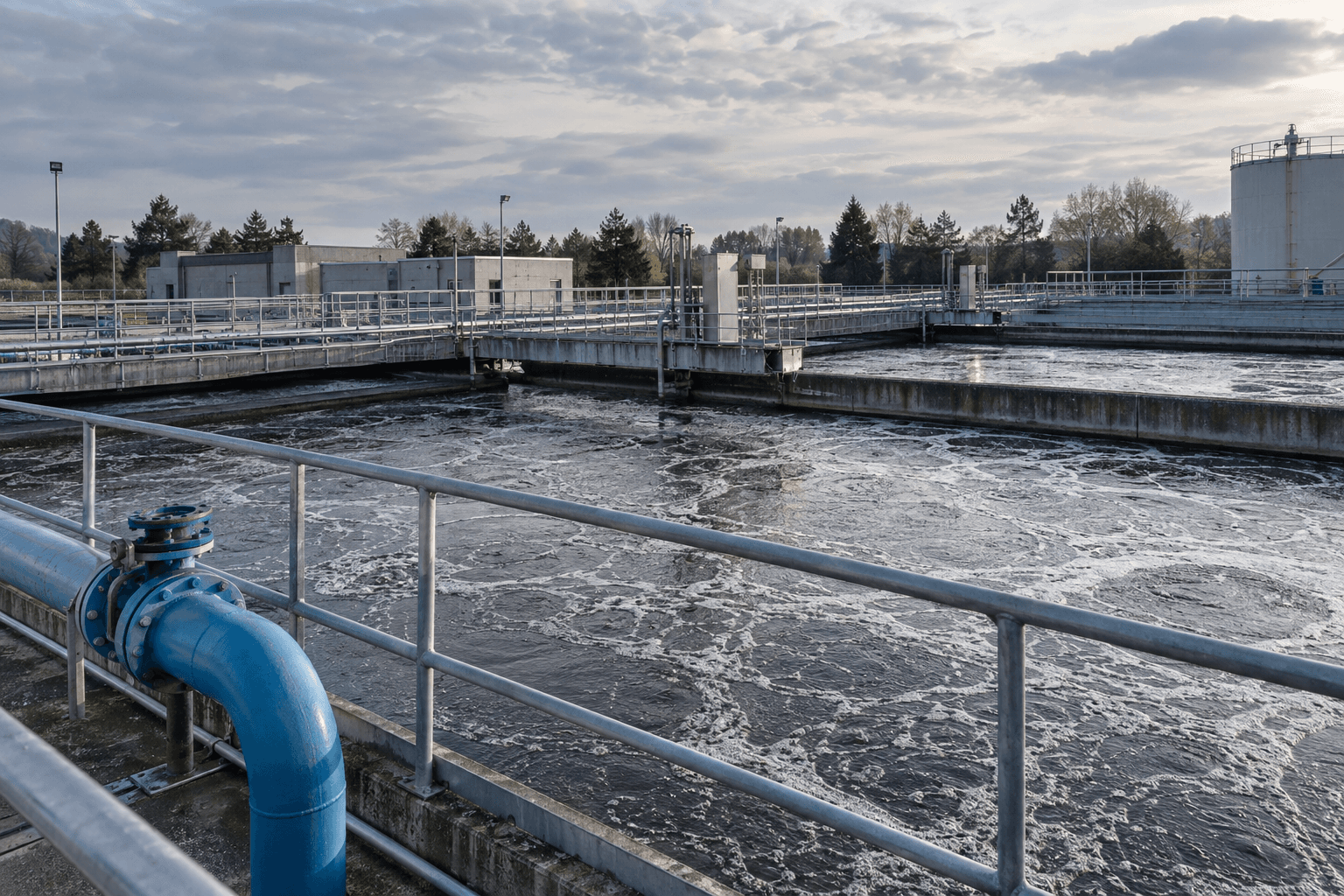
Wastewater effluent chlorine monitoring
Plan continuous chlorine monitoring at wastewater disinfection and reuse points, with a practical checklist for residual species, fouling and verification.

Industrial process-water chlorine monitoring
Evaluate chlorine monitoring for plant utility water, process skids and internal distribution. Plan installation, verification and PLC integration together.
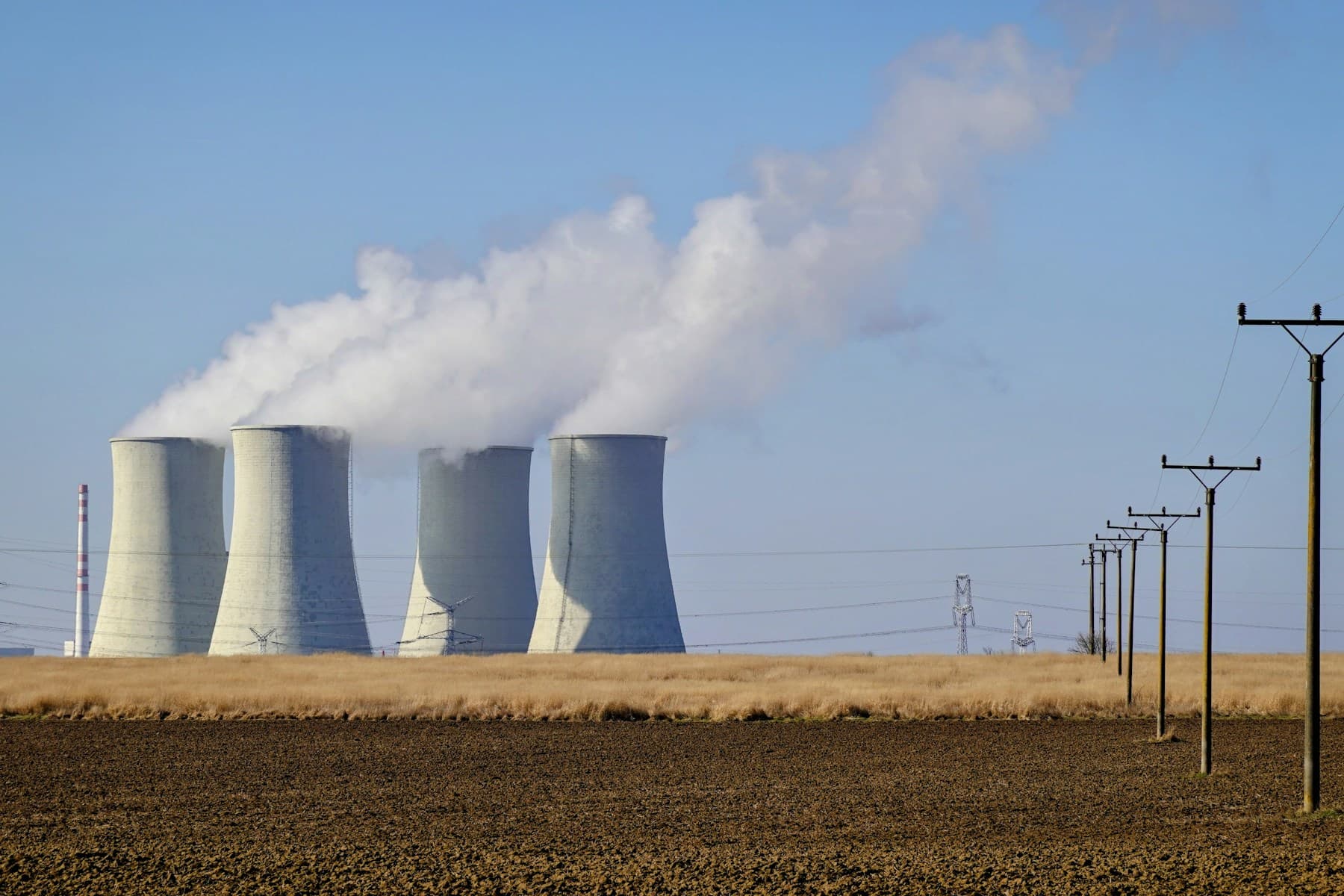
Power-plant cooling-water chlorine monitoring
Plan residual monitoring at cooling-water intakes, condenser circuits and blowdown. Review water chemistry, representative placement and DCS integration.
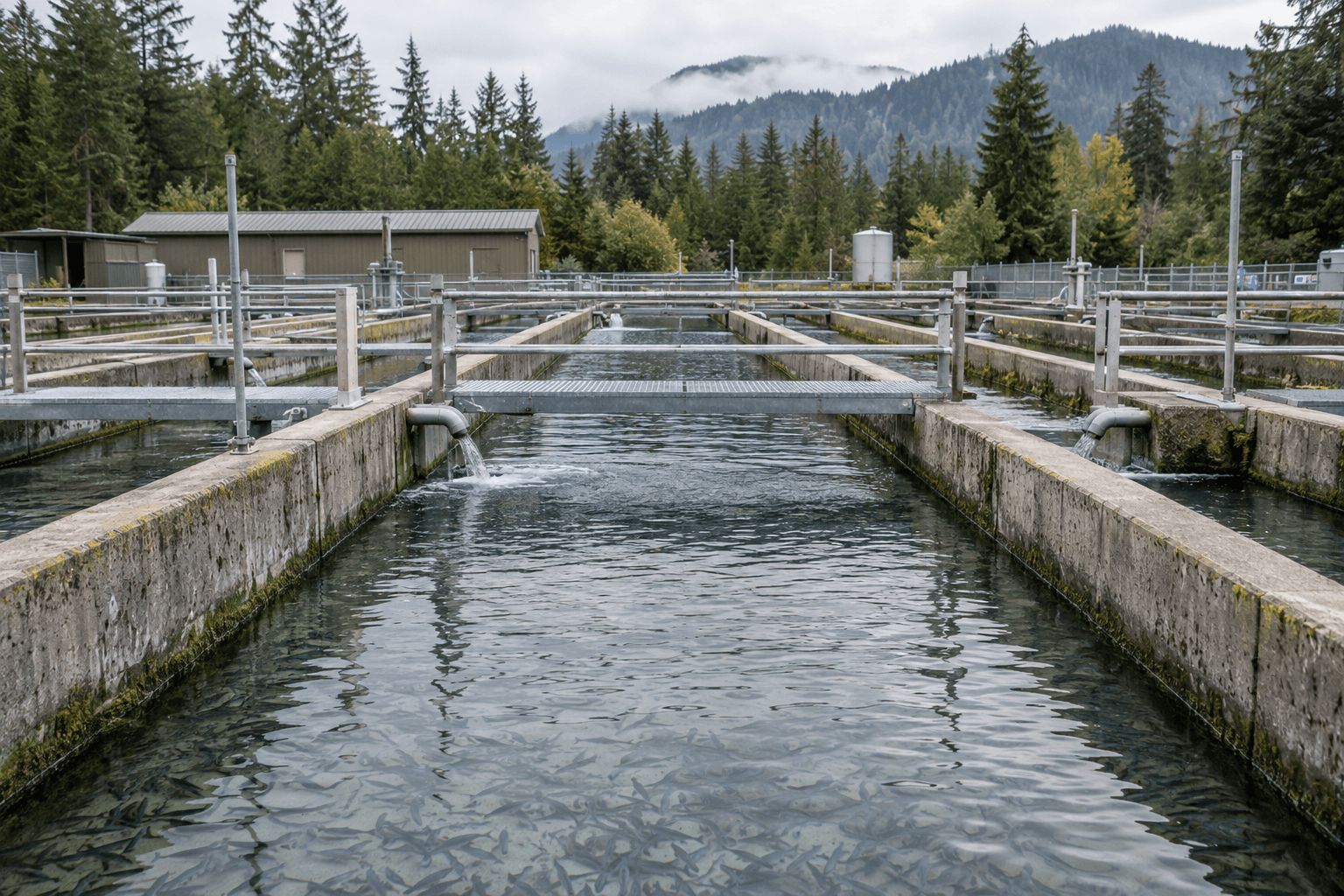
Chlorine breakthrough monitoring for fish hatcheries
Evaluate hatchery intake and post-treatment monitoring against the required low-level threshold, response time, reference method and alarm behavior.
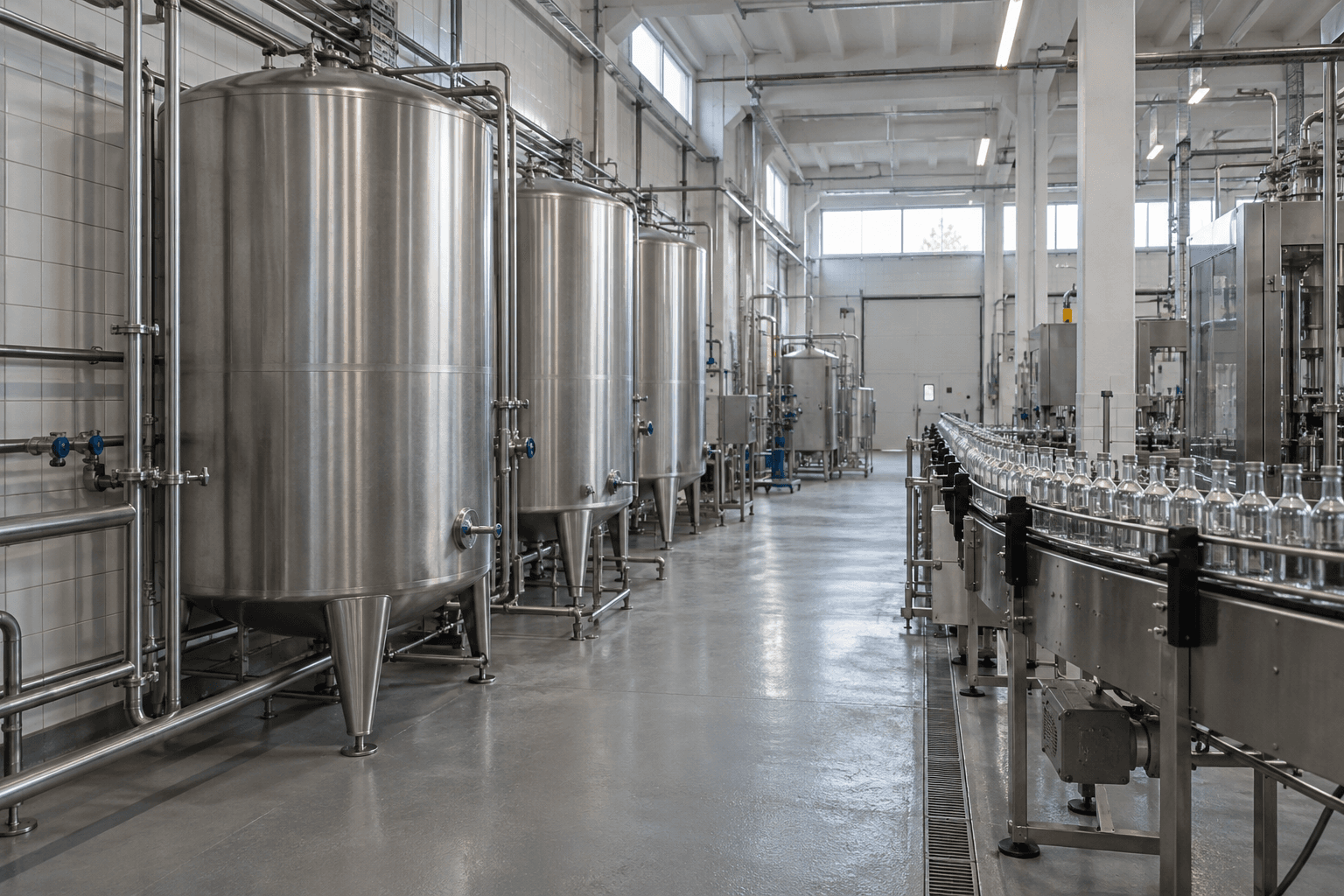
Food and beverage utility-water chlorine monitoring
Identify chlorine monitoring points for incoming water, storage and utility distribution at food and beverage plants. Separate utility and food-contact requirements.
Residual chlorine monitoring before reverse osmosis
Plan chlorine monitoring around carbon treatment and RO feed water. Define residual species, low-level measurement requirements and breakthrough response.
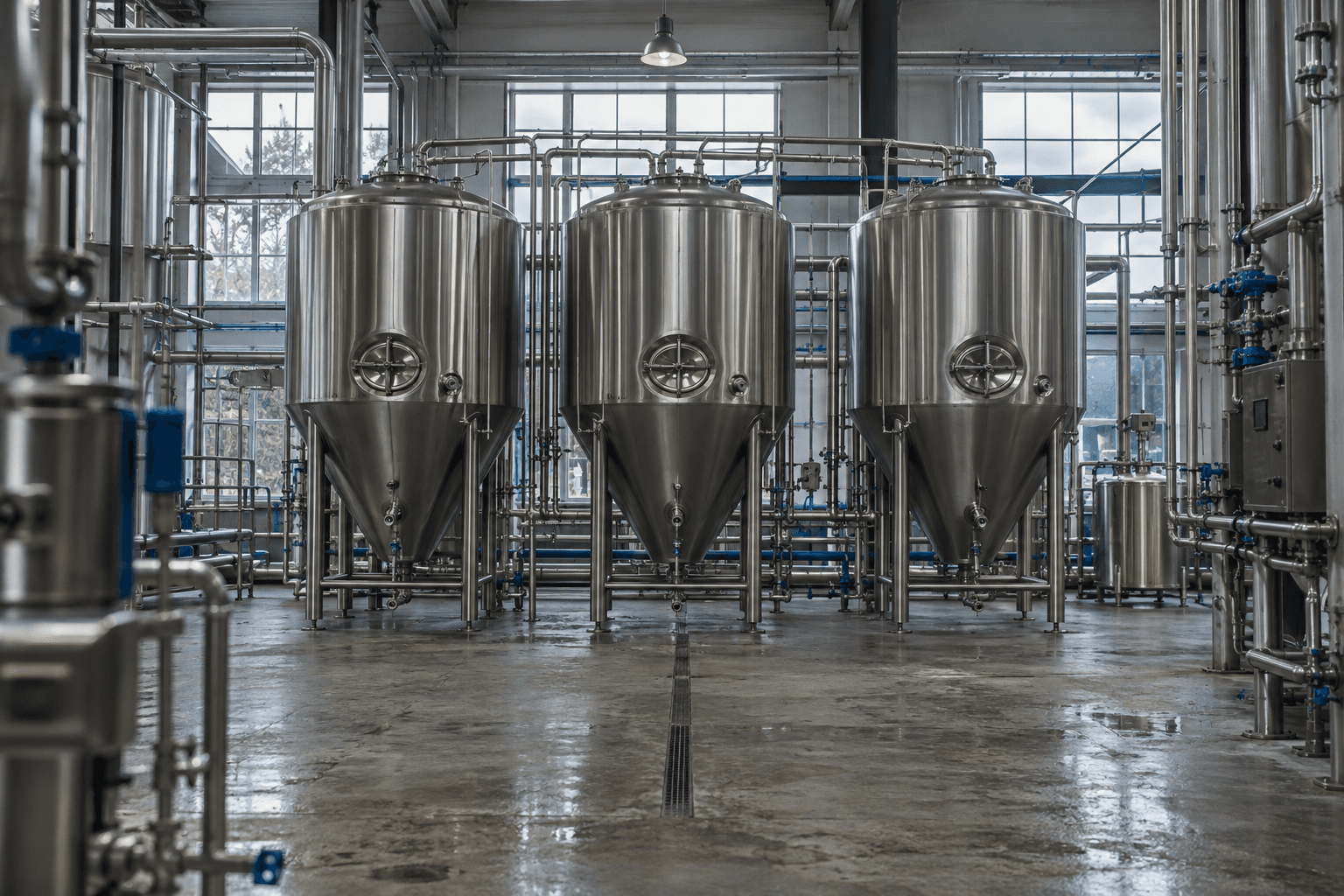
Brewery-water chlorine and chloramine monitoring
Plan brewery residual monitoring before and after carbon filtration, with separate checks for chlorine, chloramine and RO feed-water requirements.
Low-residual monitoring after wastewater dechlorination
A specification checklist for low-residual measurement after dechlorination: required limit, matrix verification, sampling delay and control-system behavior.
Chlorine monitoring in produce wash and rinse water
Plan an application review for produce wash-water monitoring, covering sanitizer chemistry, changing loading, pH, installation and cleaning exposure.
Chlorine monitoring in CIP rinse water
Separate final-rinse monitoring from CIP cleaning chemistry. Review temperatures, chemical exposure, hygienic installation and verification before a pilot.