ENGINEERED FOR WATER. BUILT FOR THE FIELD.
My Halogen Track an order Cloud login
Halogen Systems
CHLORINE MONITORING / APPLICATION GUIDE

Power-plant cooling-water chlorine monitoring

Plan residual monitoring at cooling-water intakes, condenser circuits and blowdown. Review water chemistry, representative placement and DCS integration.

Review your monitoring point
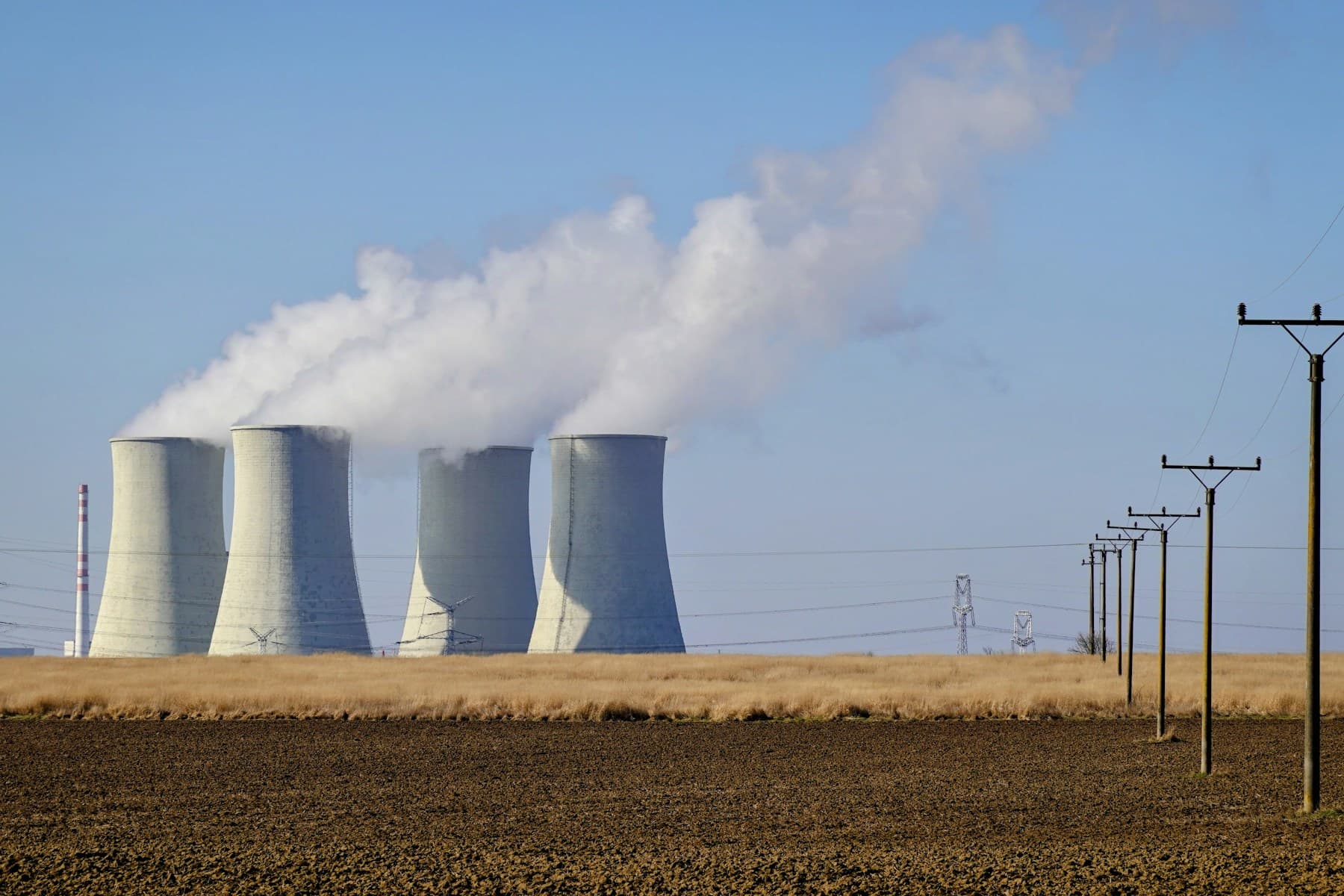
Power station with four large concrete cooling towers releasing steam beside electrical transmission lines
Representative power generation setting.
THE SHORT ANSWER

Where should a power plant monitor cooling-water chlorine?

Choose points according to the question being answered: incoming residual at the intake, treatment residual in the cooling circuit, or a discharge requirement at blowdown. Once-through and recirculating systems need different measurement plans. Cooling-water suitability does not establish suitability for boiler-water chemistry.

Choose the point that answers your operating question.

  1. EVALUATION POINT 1Intake / makeup

    Understand the incoming conditions.

  2. EVALUATION POINT 2Cooling circuit

    Evaluate the treatment or process change.

  3. EVALUATION POINT 3Blowdown / return

    Define verification and operator response.

Conceptual monitoring sequence. Final placement, detection limits and control actions must be reviewed for your water and equipment.

01 / APPLICATION PLANNING

Map the actual cooling circuit

Mark treatment addition, mixing, heat exchange, return and discharge on the process drawing. Identify which measurement will support each decision. Review seasonal source-water changes and intermittent treatment operation so the selected point represents the conditions operators need to understand.

02 / APPLICATION PLANNING

Qualify the water and materials

Record oxidant chemistry, temperature, salinity or conductivity and expected deposits. Freshwater results do not automatically transfer to seawater or a different biocide. Confirm the measurement species and installation limits with the instrument supplier before treating a product as a candidate for the circuit.

03 / APPLICATION PLANNING

Commission the DCS workflow

Test display scaling, data quality and response to communication or power loss. Compare readings with a suitable reference method during representative operating conditions. Keep operational residual control distinct from any discharge-reporting method, and assign ownership for investigating disagreement between readings.


QUESTIONS FROM THE FIELD

Clear answers before you choose.

Can the same sensor monitor intake and blowdown?

Evaluate each point separately. Concentration range, water matrix, fouling and reporting purpose may differ even within one cooling system.

Does chlorine monitoring measure biofouling directly?

A residual measurement describes the selected water chemistry. Evaluate fouling and treatment performance through the plant’s broader operating program.

Can a sensor automate hypochlorite dosing?

A measurement may be one input to an engineered control system. Commission the complete loop, including delays, operating limits and failure responses, rather than relying on a sensor output alone.

CONTINUE YOUR RESEARCH

Related monitoring decisions.

LET’S TALK ABOUT YOUR WATER

A better measurement
starts with your site.

Tell us what you need to measure. We’ll help you find the right starting point.

Get a sensor recommendation
Help me choose a sensor ↗