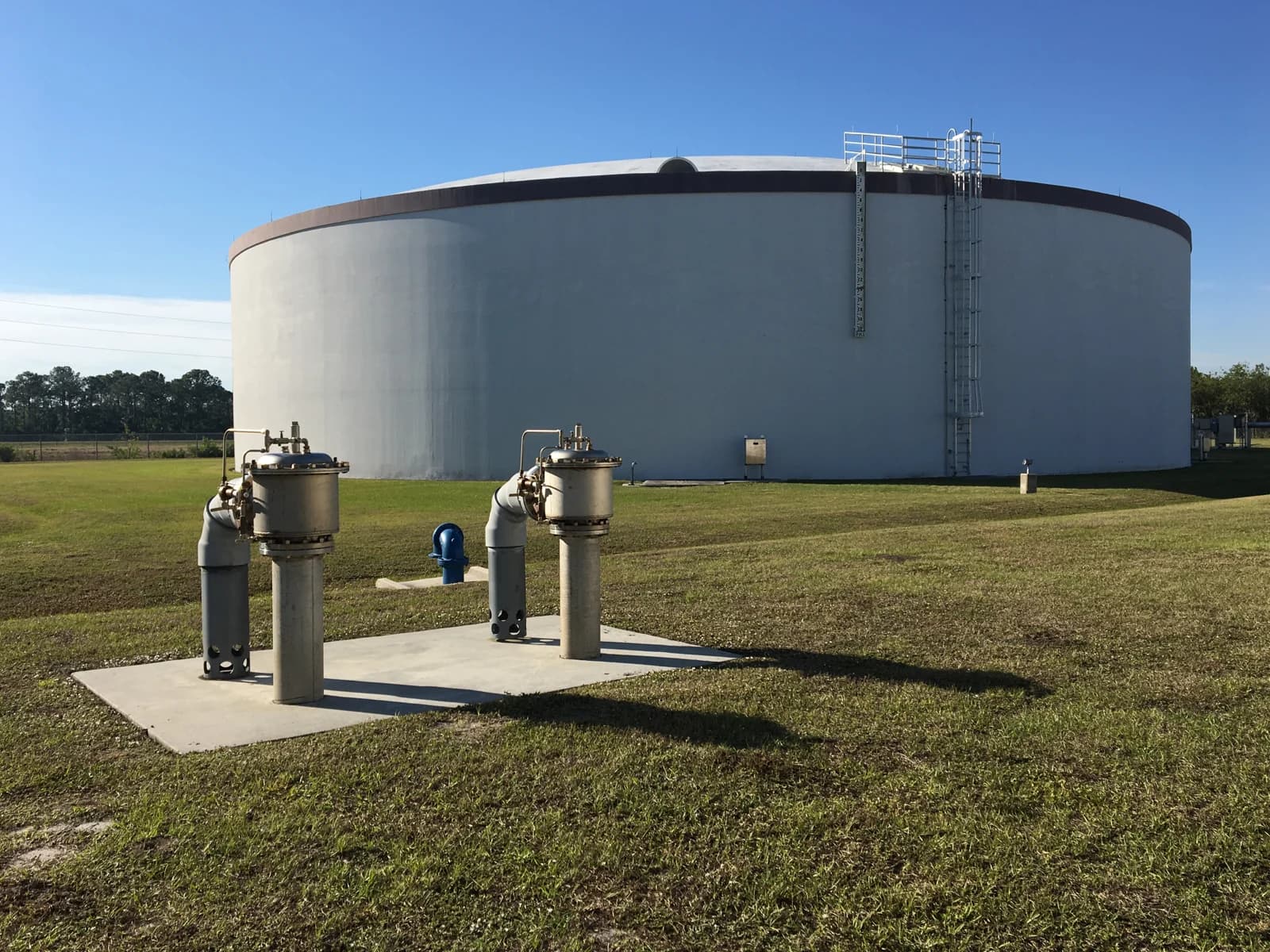
Treatment & distribution
Follow residual through changes in demand and operating conditions.

Know your residual. Across your network.
Bring continuous chlorine measurement closer to the water you deliver. Explore monitoring at treatment outlets, storage tanks, booster stations, and distribution mains.
Discuss your application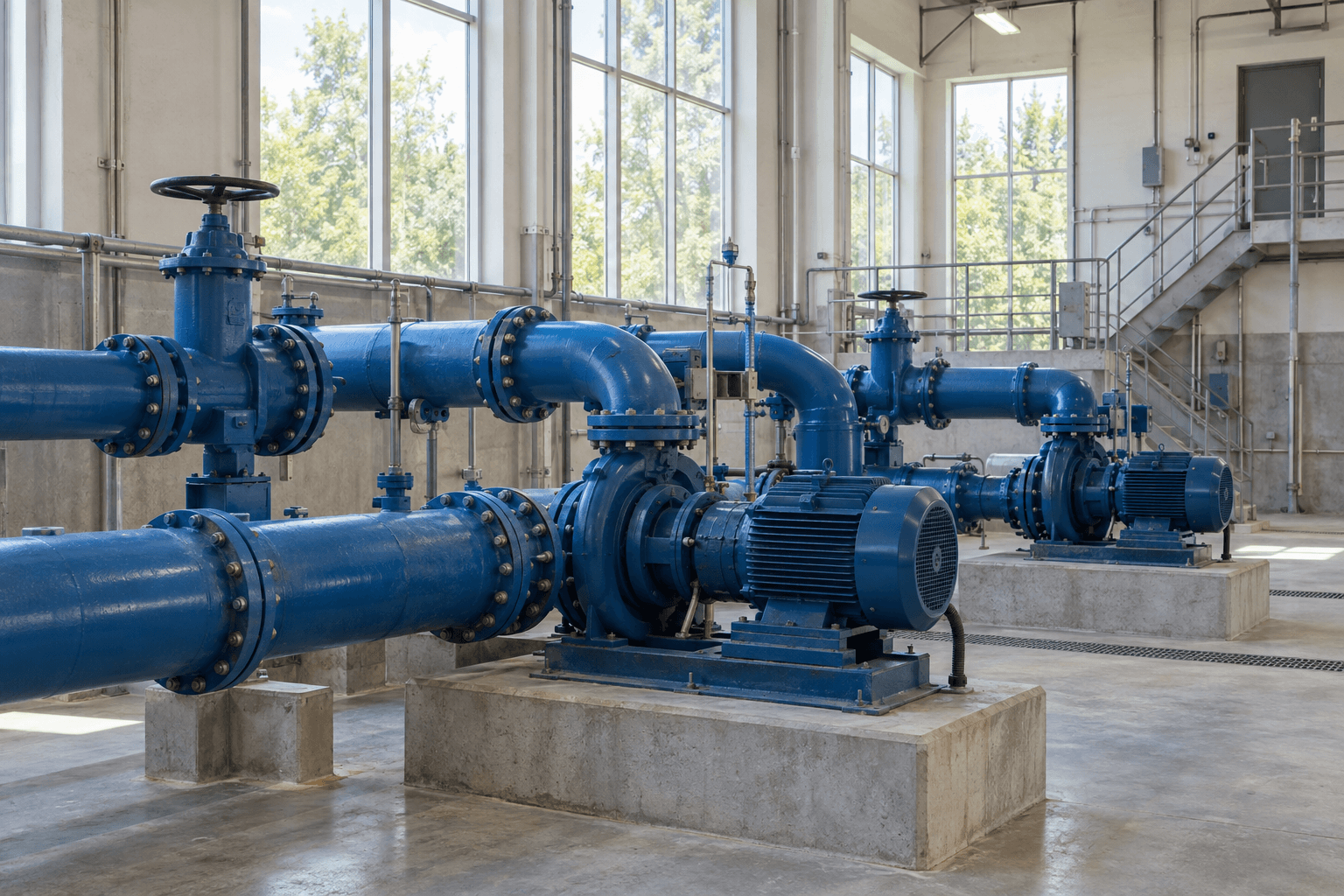 REPRESENTATIVE IMAGE
Follow residual through changes in demand and operating conditions.
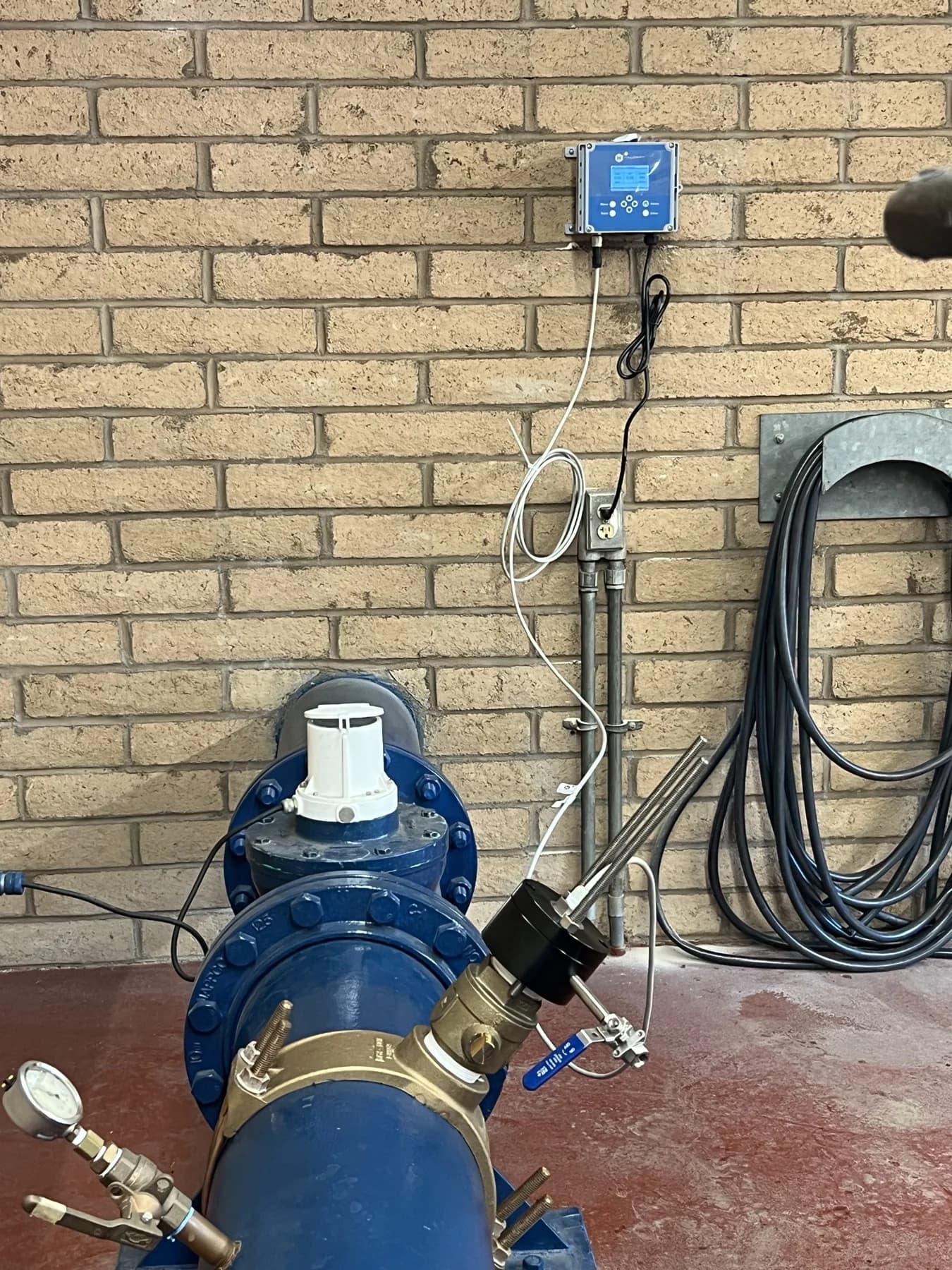
Evaluate direct measurement where sample plumbing adds complexity.
Match power, communications, and installation to each monitoring point.
Establish the residual leaving treatment.
Check changes through storage and pumping.
Review conditions near the water user.
Conceptual monitoring sequence. Final placement, detection limits and control actions must be reviewed for your water and equipment.
Bring these questions to your application review.
Select the sensor and installation assembly for the disinfectant, pressure, temperature, and reporting requirements at your site.
Choose monitoring points across mains, storage tanks and booster stations.
Understand flooded sensing surfaces, air removal and internal circulation.
Compare battery power, communications and unattended operation.
Connect water-quality measurements through an existing AMI network.
Understand certification scope for drinking-water contact.
Read the documented utility evaluation and monitoring results.
Start with the decisions needed at treatment outlets, storage, booster stations and remote points. Match the residual species and installation to each location, then define reference checks and the response to a low or unavailable reading.
Remote monitoring still needs an energy source and a way to retrieve readings. Evaluate the complete power budget, telemetry coverage and maintenance plan for the proposed configuration.
Compare actual service tasks, consumables, reference checks, sample-water use and access requirements. Separate recalibration from routine verification and use model-specific documentation.
Tell us what you need to measure. We’ll help you find the right starting point.