
ENGINEERED FOR WATER. BUILT FOR THE FIELD.
My Halogen Track an order Cloud login
Halogen Systems
CHLORINE MONITORING / APPLICATION GUIDE

Chlorine monitoring in CIP rinse water

Separate final-rinse monitoring from CIP cleaning chemistry. Review temperatures, chemical exposure, hygienic installation and verification before a pilot.

Review your monitoring point
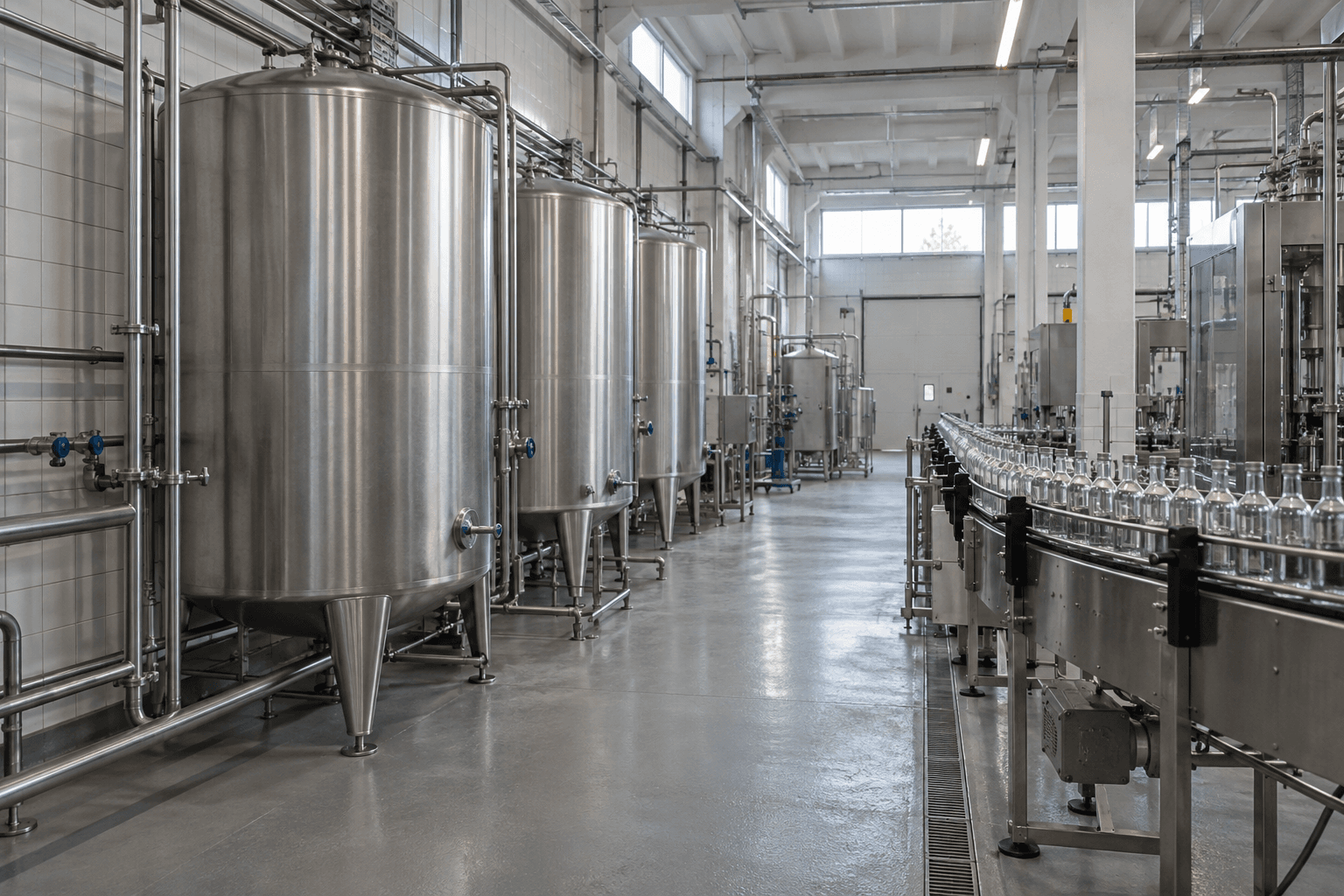
Representative scene of stainless steel tanks and a bottling line in a beverage facility
Representative food & beverage setting.
THE SHORT ANSWER

Can a chlorine sensor monitor CIP rinse water?

Potential suitability depends on the exact rinse-water duty and exposure. A final-rinse measurement is different from continuous exposure to a full cleaning cycle. Review all chemicals, temperatures, materials and hygienic requirements before selecting or installing an instrument.

Choose the point that answers your operating question.

  1. EVALUATION POINT 1Cleaning sequence

    Understand the incoming conditions.

  2. EVALUATION POINT 2Defined rinse stage

    Evaluate the treatment or process change.

  3. EVALUATION POINT 3Verified process endpoint

    Define verification and operator response.

Conceptual monitoring sequence. Final placement, detection limits and control actions must be reviewed for your water and equipment.

01 / APPLICATION PLANNING

Separate rinse water from cleaning solution

Document which stages the sensor will contact, including transitions and upset conditions. A sensor rated for ordinary water cannot be assumed compatible with concentrated cleaning chemicals or thermal sanitation. Review isolation or removal requirements with the equipment and process teams.

02 / APPLICATION PLANNING

Define the endpoint being measured

Specify whether the objective is residual disinfectant, a rinse trend or another process condition. Different measurements answer different questions. A chlorine reading alone should not be used to infer that every cleaning chemical has been removed or that a surface is hygienically acceptable.

03 / APPLICATION PLANNING

Validate the installation

Review wetted materials, seals, mounting geometry and service procedures against plant requirements. Define the reference method and acceptance test for the intended rinse stage. Treat successful commissioning as evidence for that installation and duty, not a blanket approval for every CIP system.
QUESTIONS FROM THE FIELD

Clear answers before you choose.

Does a hot-water rating mean CIP compatibility?

No. Temperature is only one part of the review. Chemical exposure, materials and installation requirements also matter.

Can chlorine and conductivity be used interchangeably?

No. Define what each measurement indicates in the particular process and validate the endpoint with the plant’s responsible team.

CONTINUE YOUR RESEARCH

Related monitoring decisions.

LET’S TALK ABOUT YOUR WATER

A better measurement
starts with your site.

Tell us what you need to measure. We’ll help you find the right starting point.

Get a sensor recommendation
Help me choose a sensor ↗