Measure in the water
Suitable direct-pipe and immersion installations avoid a dedicated sample-to-drain stream. Confirm the assembly and operating limits for your site.
Explore the options →
Amperometric chlorine analyzers for continuous water-quality monitoring. No reagents. No membranes. A clearer view of your water, wherever you work.
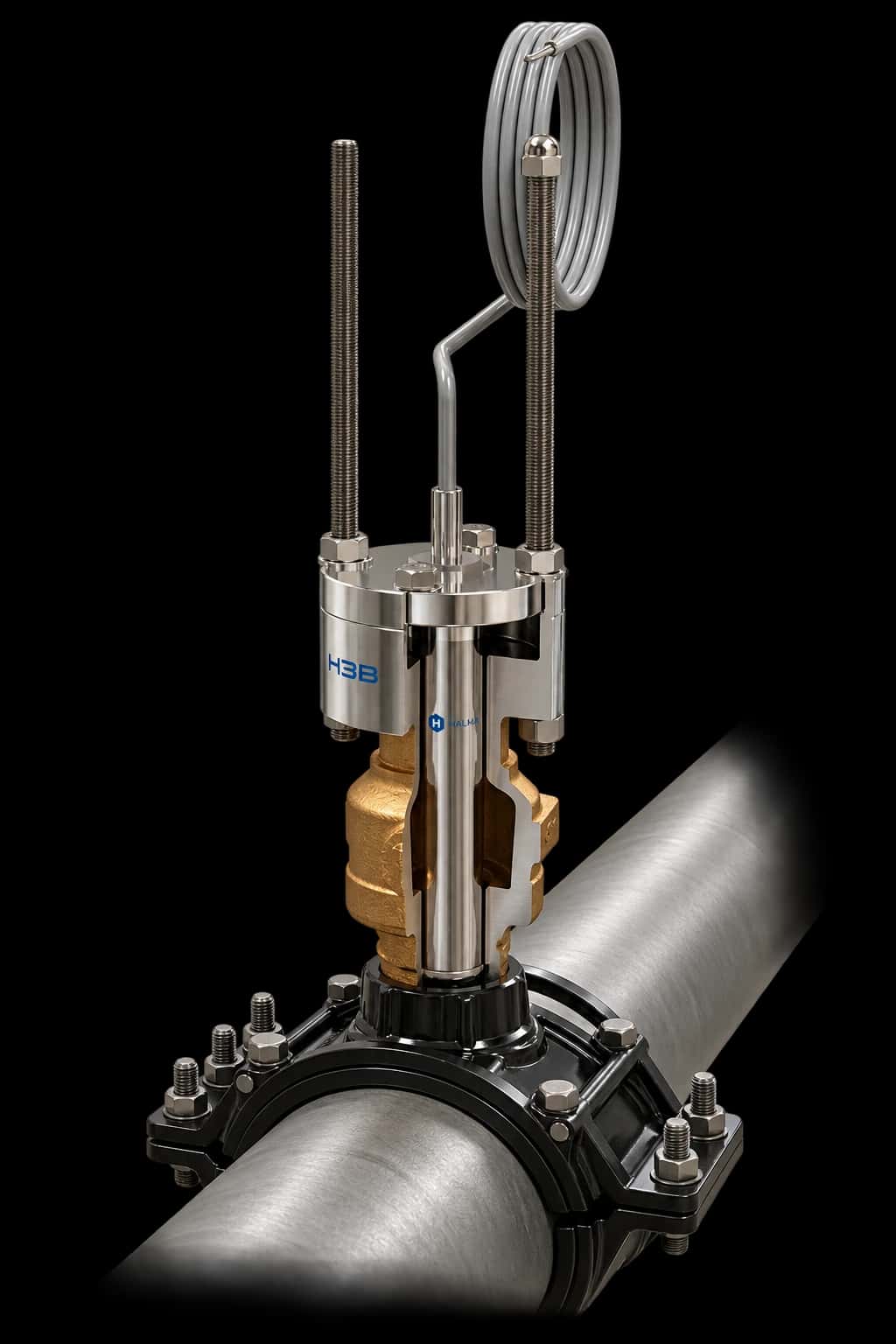
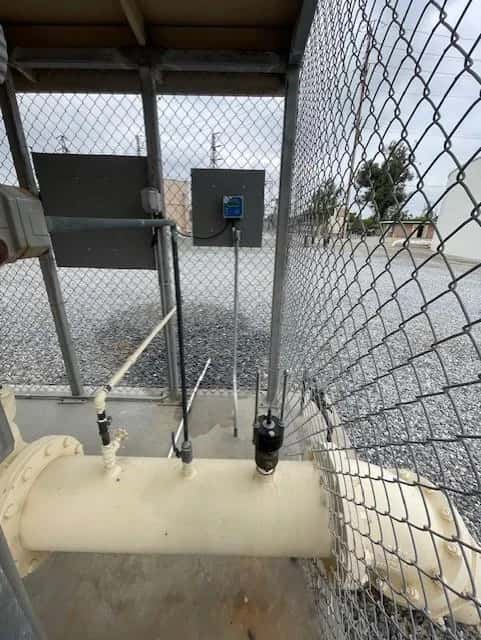
Lakewood reported approximately 69,000 gallons of avoided sample-water discharge per sensor per year after replacing its previous reagent-based installation with an in-pipe MP5.
Current model: MP-5F. A result from that installation, not a universal savings estimate. Water savings depend on the analyzer being replaced and its full sample-and-bypass flow.
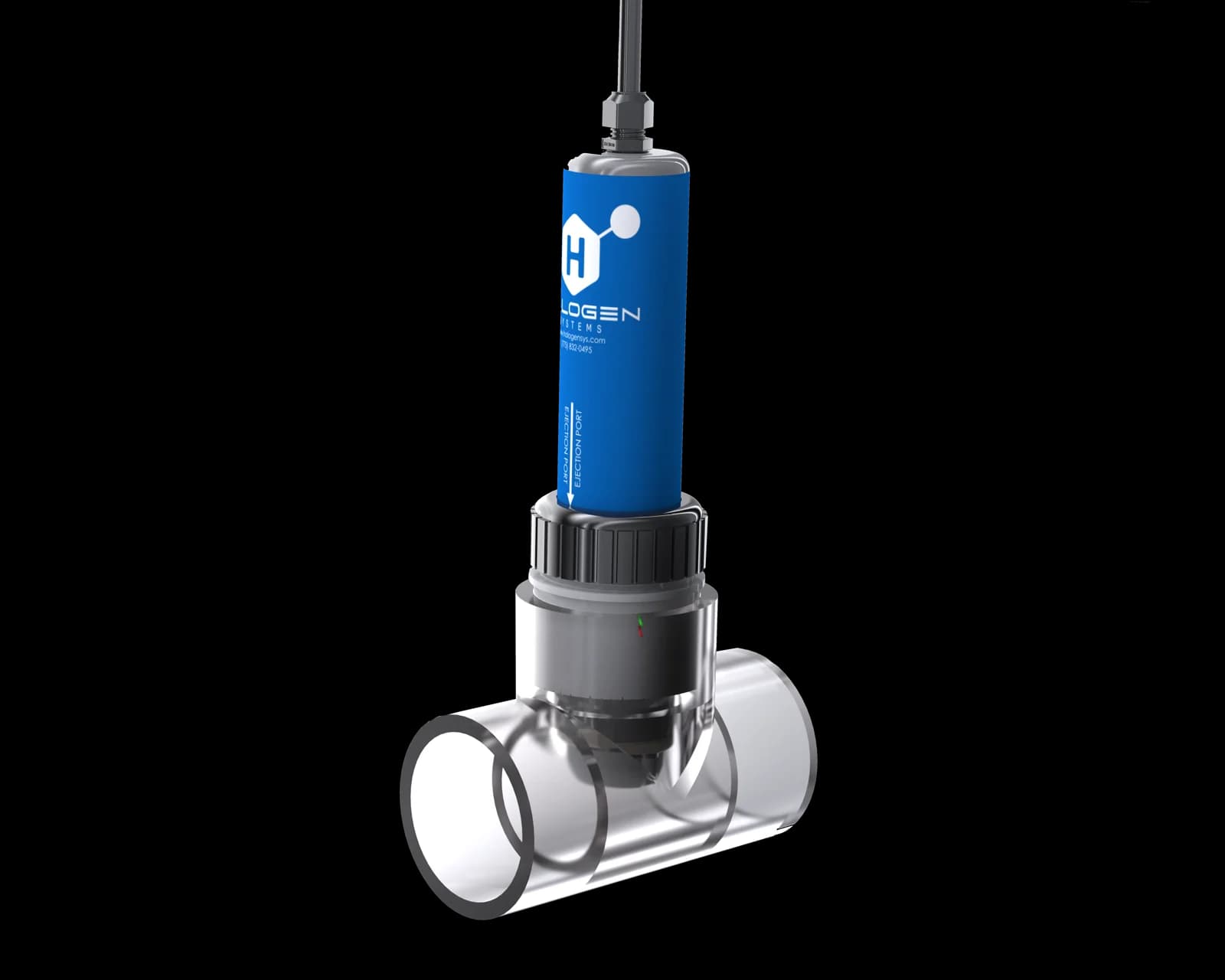
Monitor drinking-water quality directly in pressurized pipes. Depending on the model, measure free chlorine, total chlorine or monochloramine alongside pH, ORP, conductivity and temperature.
Deploy multiple wet-tap sensors throughout the distribution network, with battery-powered monitoring and connectivity to the Halogen Nexus or your central database.
Pressure measurement is planned for a future release.
Explore in-pipe installation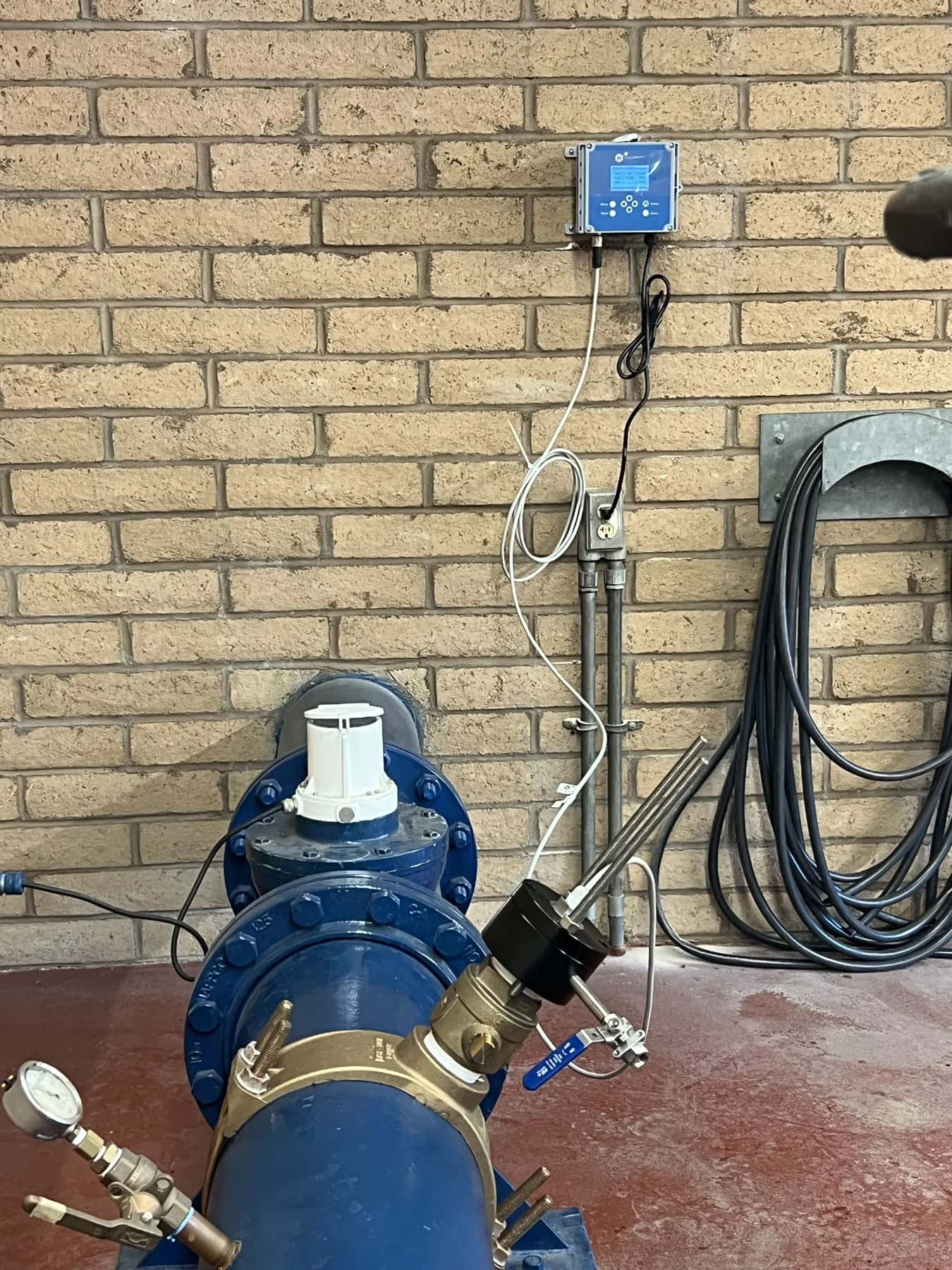
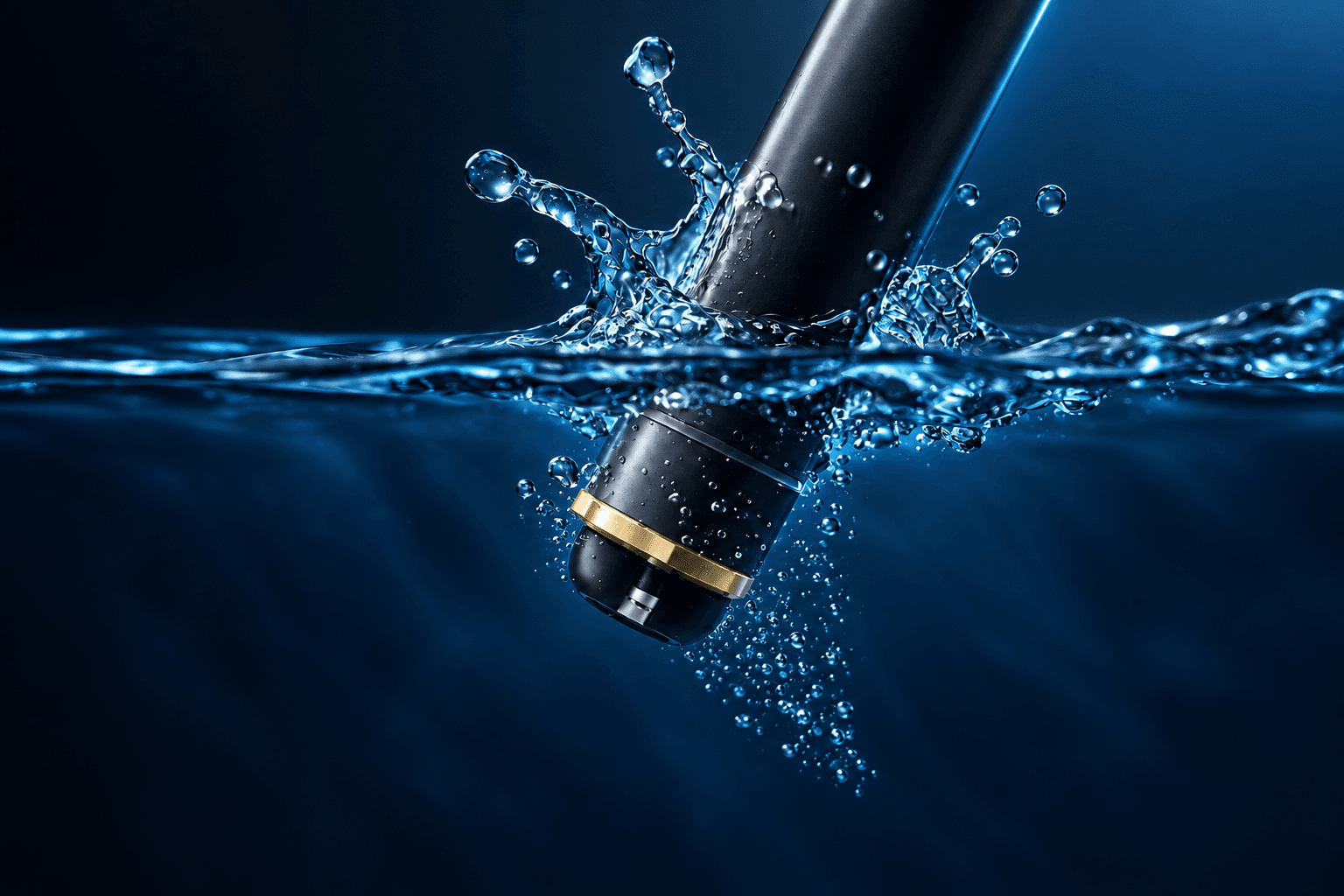
Explore submersible chlorine monitoring for tanks, clearwells and open basins. Find an immersion mounting option that fits your installation.
Explore immersion mountingFind the right sensor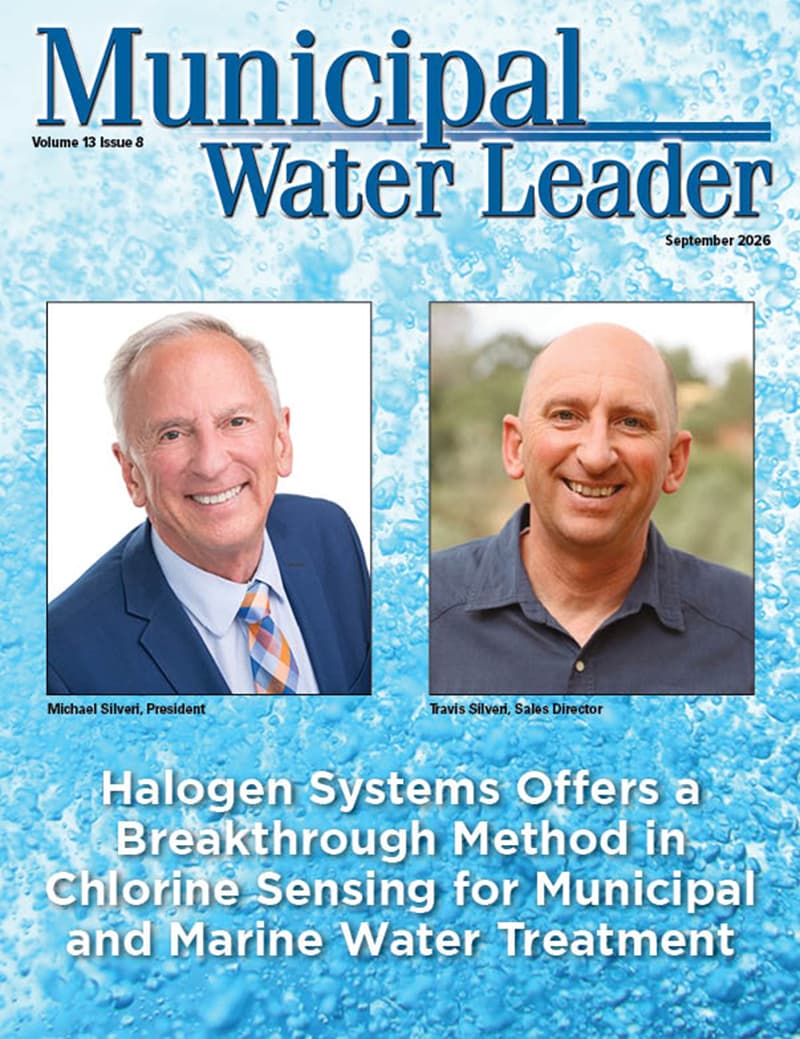
The September issue features a conversation with Michael and Travis Silveri about Halogen’s path to municipal water monitoring.
Explore the feature“We're extremely happy with it. Just set it and forget it. Throw it in there and let it do its thing.”
“We deployed the MP5 at a remote, low-pressure site where other sensors had struggled. It started up without calibration or flow adjustments and has been running continuously ever since.”
“Two years of operation and only three calibrations. We're actively replacing our entire Hach CL-17 fleet — planning over 50 units county-wide.”
Iron Bridge’s existing sensors required calibration once per shift—three times per day. The historical MP5T evaluation reported no calibration or maintenance during the first three months. The 3,800 hours per year describes estimated upkeep for the seven existing sensors, not measured MP5 savings.
“Zero calibration over a six-month pilot with only 0.04 ppm deviation from our reference method. It also eliminates 69,000 gallons per year in waste stream per sensor.”
“Robust, dependable and very simplified in their design and use.”
That's what Montecito's operators loved, and what they say they found again in Halogen: 5 sensors, about a year in service, zero wet-tap maintenance.
Customer accounts describe historical installations and operating conditions. Results vary by site.
Suitable direct-pipe and immersion installations avoid a dedicated sample-to-drain stream. Confirm the assembly and operating limits for your site.
Explore the options →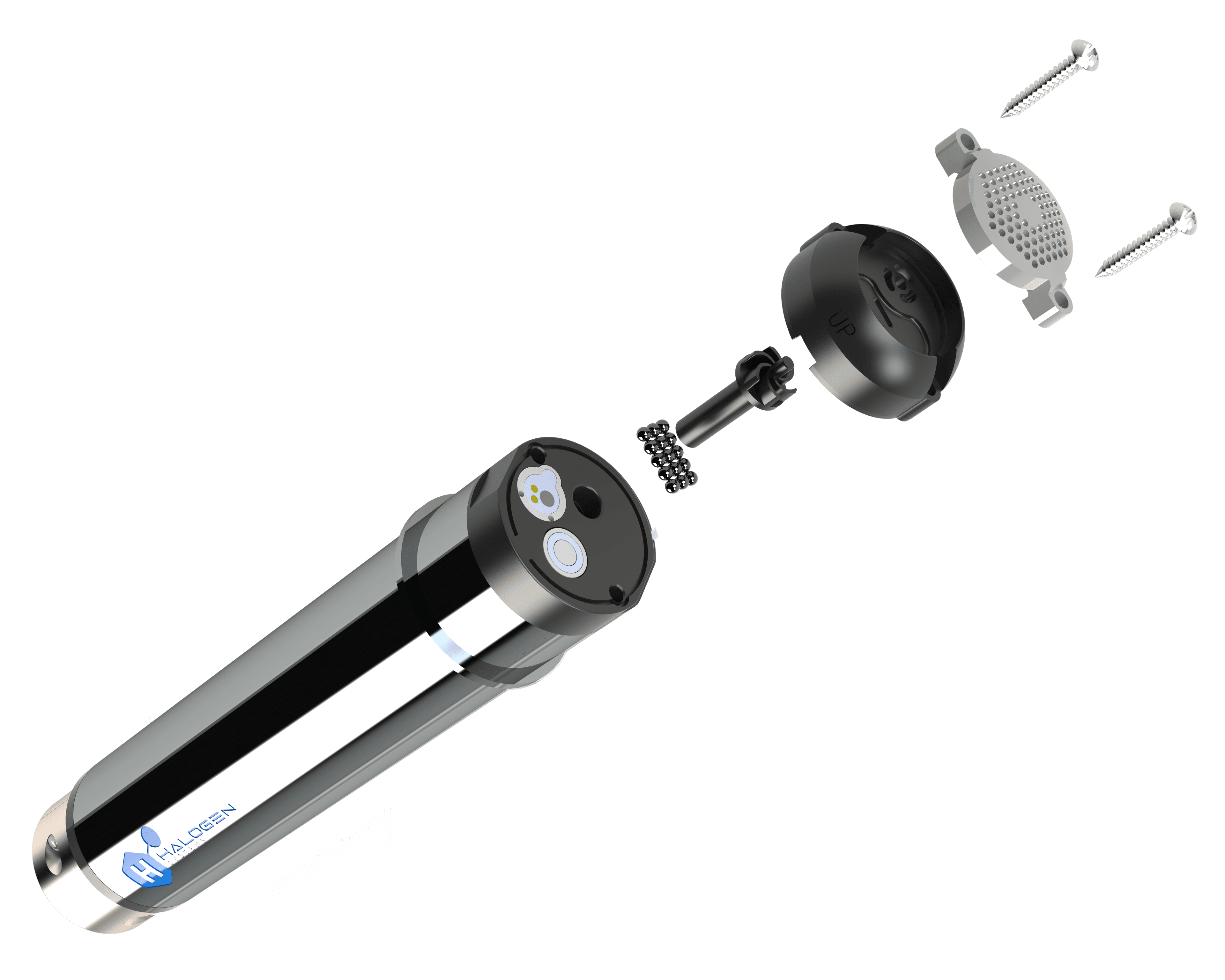
SensiCLENE mechanical cleaning reduces electrode fouling. Inspection, reference checks and service intervals depend on the model and water conditions.
Explore the options →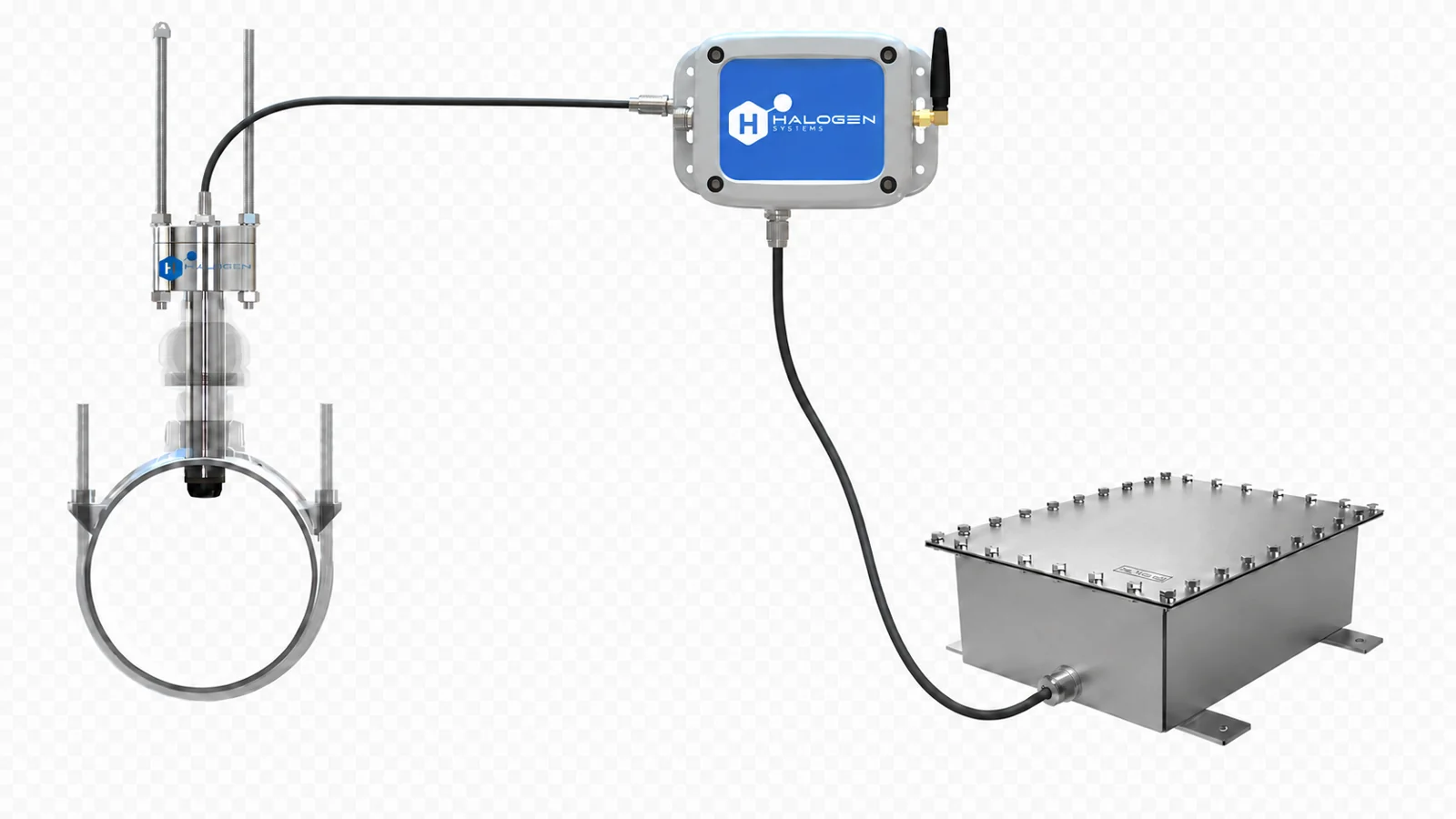
Choose a D20 controller for a powered site, or review a low-power sensor and BTSB configuration for remote operation.
Explore the options →Compare sensor families → · View certifications → · Compare measurement methods →
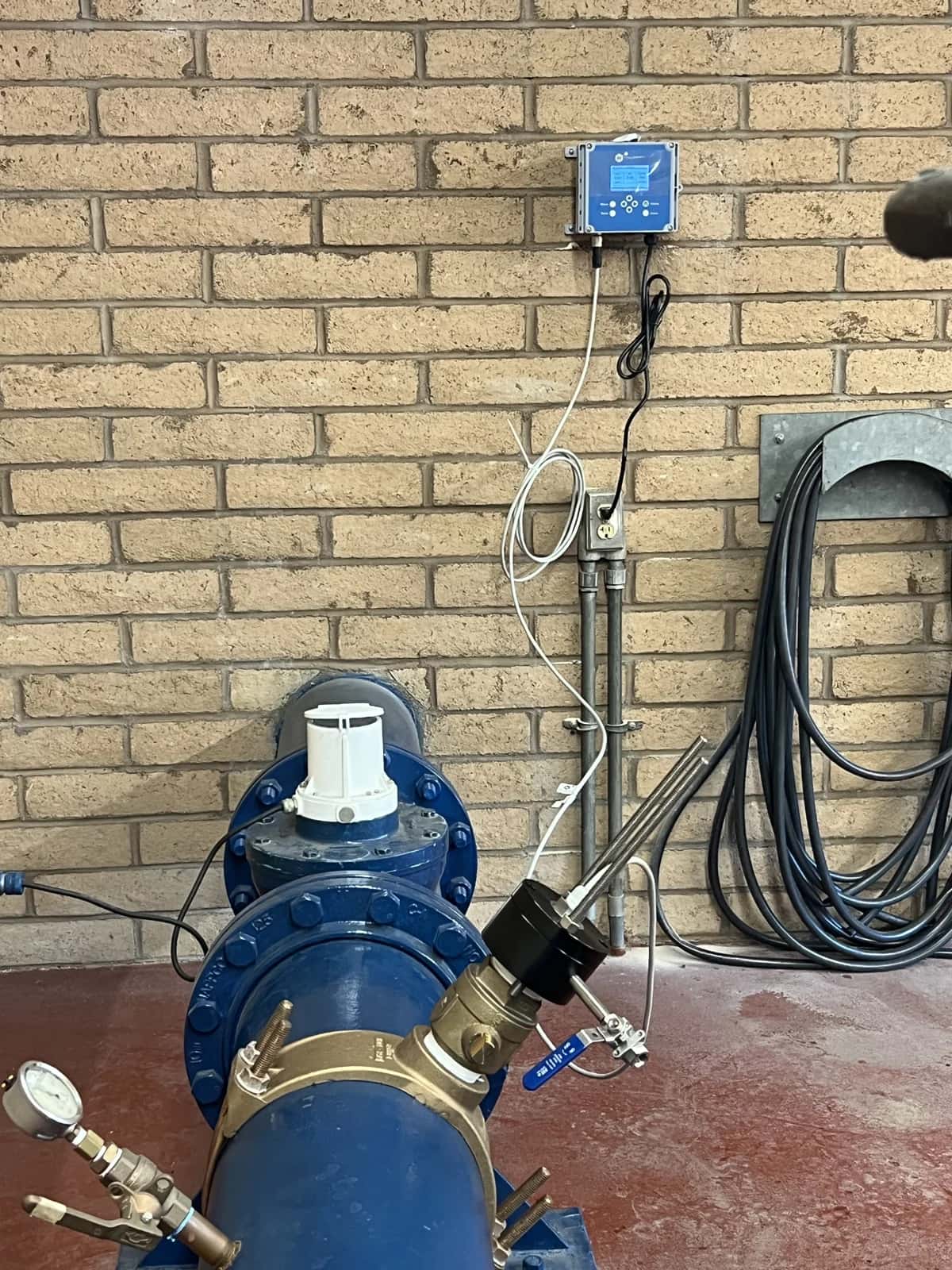
One trial became four booster-station installations. Read David Ramirez’s account of reagent-free monitoring and zero calibrations reported since installation.
Read the case study →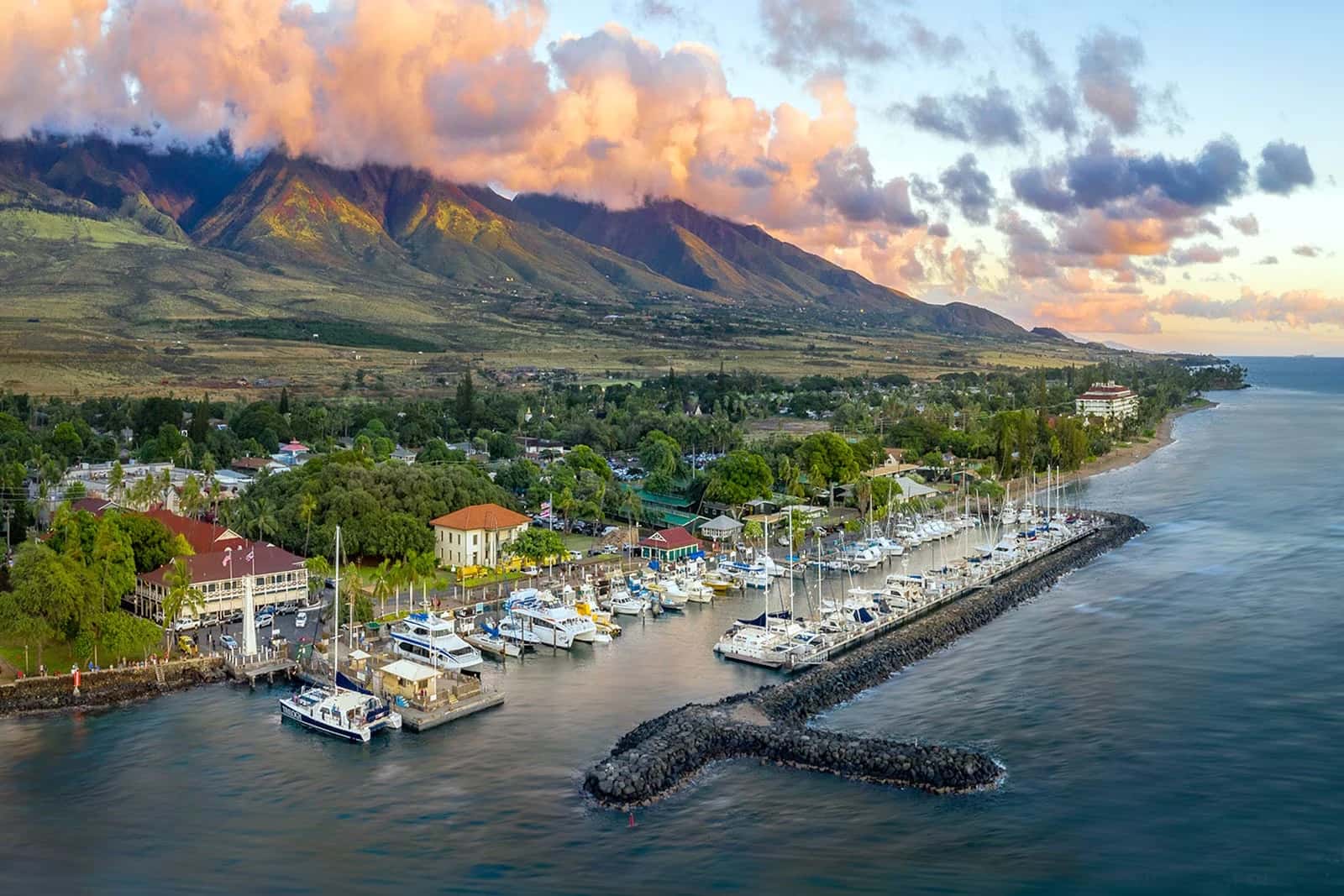
Read the MP5 deployment account for remote groundwater monitoring and variable-pressure sites.
Read the case study →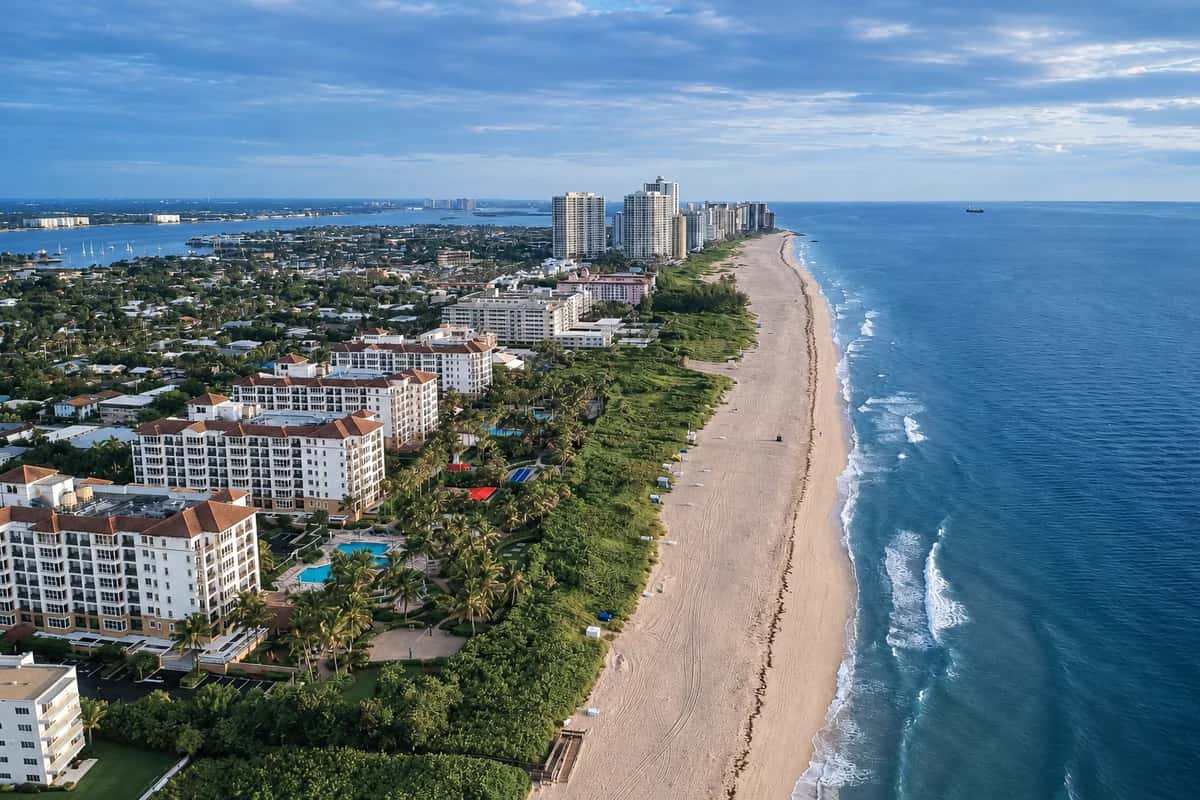
Explore the reported calibration experience with MP5 sensors (current model: MP-5F).
Read the case study →
Review the utility’s chlorine-monitoring evaluation and operating context.
Read the case study →Historical field results describe the tested model and conditions. Confirm current MP-5F or MP-TOTAL performance in your water with a documented pilot and reference measurements.
An amperometric chlorine sensor measures an electrical current related to chlorine concentration. Halogen uses bare-electrode measurement without liquid reagents or membranes. A qualified direct-pipe or immersion installation avoids a dedicated sample-to-drain stream.
Halogen combines bare-electrode measurement with mechanical electrode cleaning and an impeller that controls flow at the electrodes. Confirm the measurement range, water chemistry, mounting and service requirements for the selected model.
Check the current NSF/ANSI/CAN 61 listing and its scope for the exact sensor and wetted assembly. Certification addresses drinking-water contact materials; it does not replace performance validation or site-specific installation approval.
Start with MP-5F for free chlorine and MP-TOTAL for total chlorine and chloraminated-water applications. Hot-water and marine applications require their own configuration review. Share the residual species, expected range, chemistry, mounting, power and communication requirements.
Cleaning beads are a routine consumable. The A-kit also includes the impeller and pH components, which can last substantially longer than a year. Inspect and replace components according to their condition and the model manual; extreme water conditions can shorten pH electrode life. Budget separately for labor, reference checks, batteries and connectivity. Ask your representative for a site-specific quote.
Share your chemistry, monitoring point, mounting, power and communication requirements.
A smarter way to keep chlorine sensors clean—with less hands-on maintenance.
SensiCLENE uses a magnetically coupled impeller to circulate cleaning media over the electrodes. The media continuously clean and polish the sensing surfaces, helping reduce buildup that can affect your readings.