System planning
Powered wet-tap, remote battery and immersion examples with component and configuration checklists.
Plan a system and request documents →
Selecting the right mounting configuration is key to accurate readings, long sensor life, and easy maintenance. Select a certified sensor and compatible mounting assembly for direct drinking-water contact. Direct-pipe and immersion configurations can avoid a dedicated sample-to-drain stream.
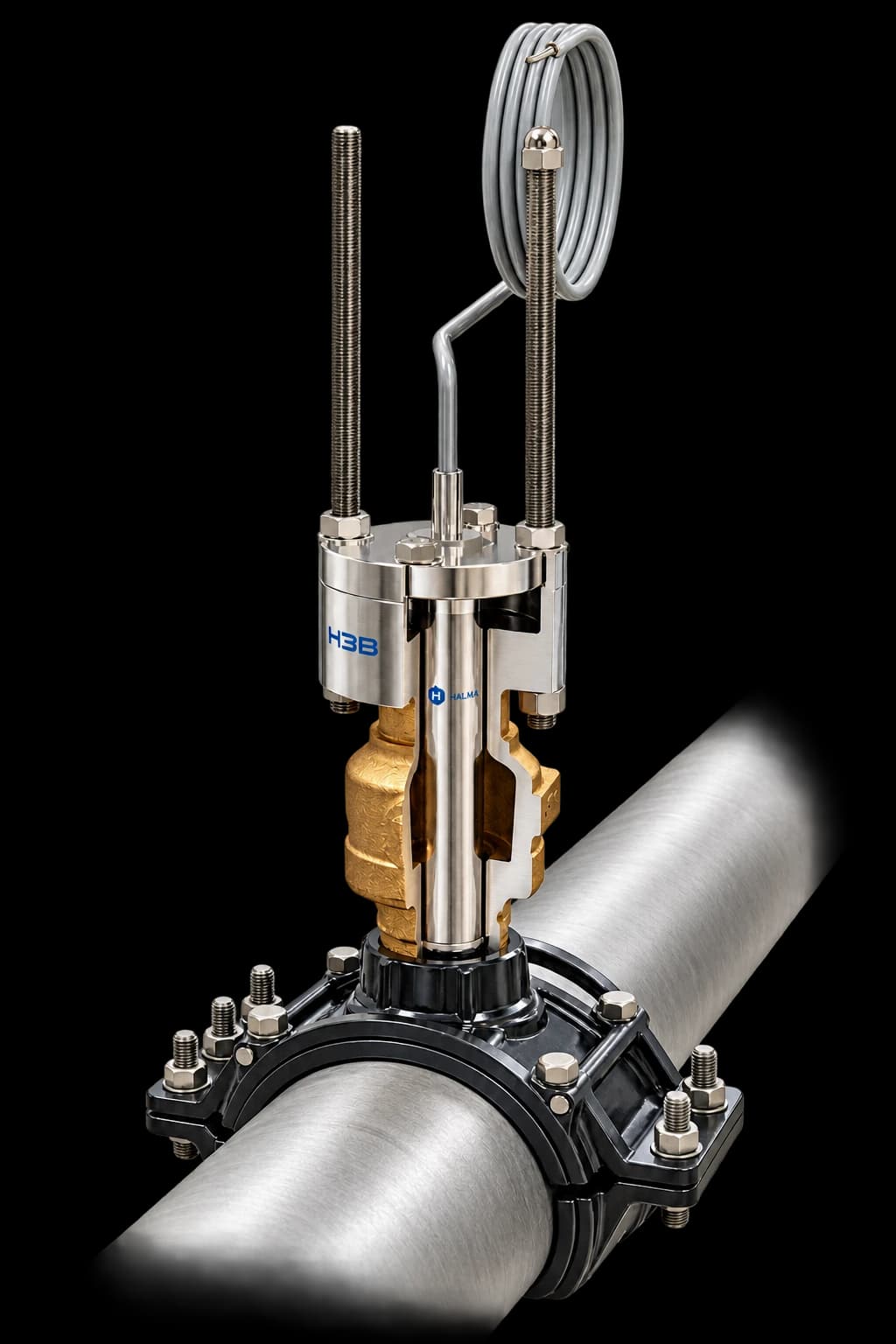
Live pipe insertion — no shutdown required
The wet-tap mount allows sensor installation and removal without shutting down the process line, making it ideal for continuous systems and live distribution mains where downtime is not acceptable.
Best For
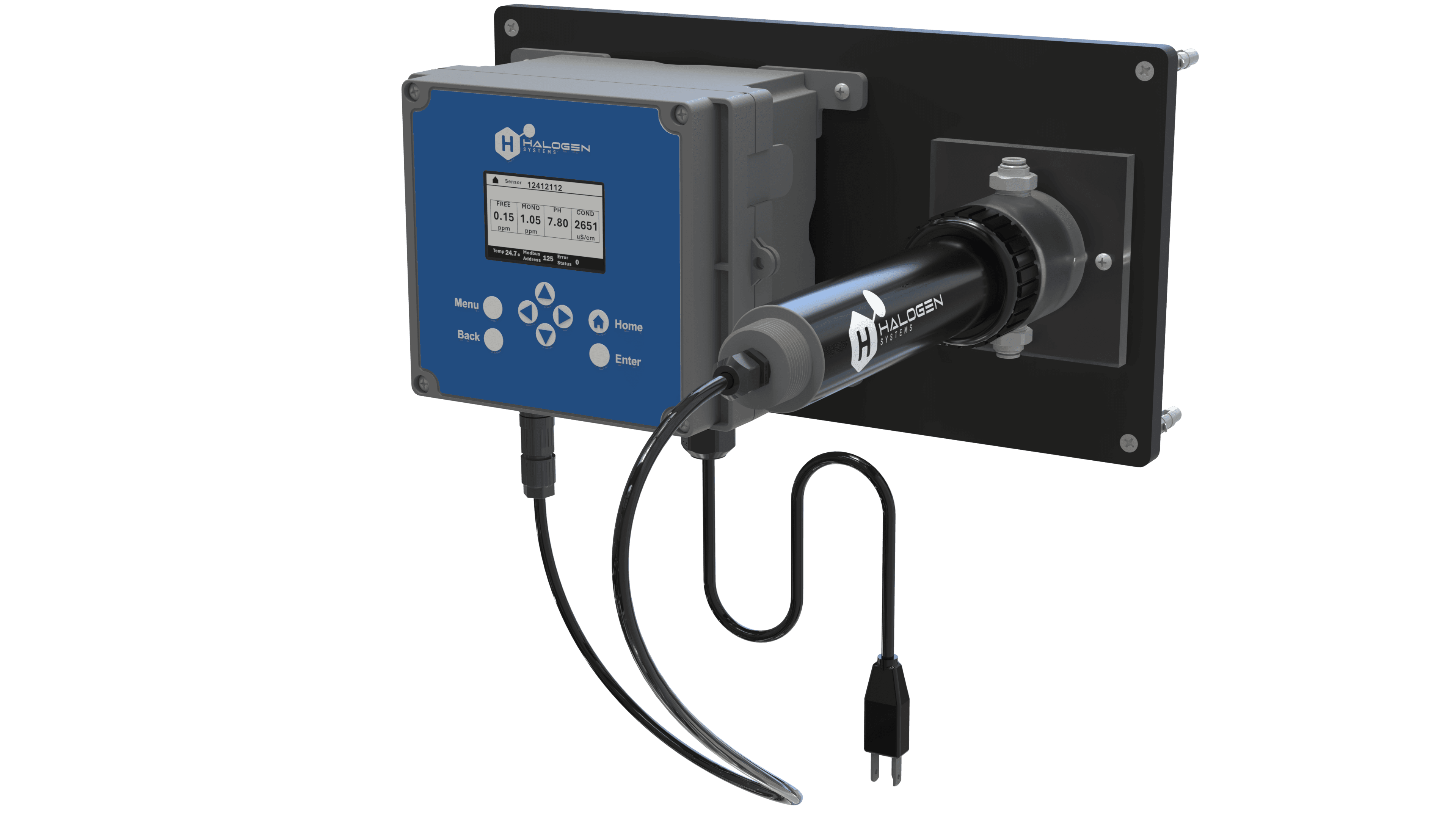
Wall-mounted flow cell — easiest install
The MKIT side-stream configuration diverts a small flow of process water through a separate, low-pressure wall-mounted flow cell (maximum 60 PSI) where the sensor is housed. The ideal starting point and great for demos.
Best For
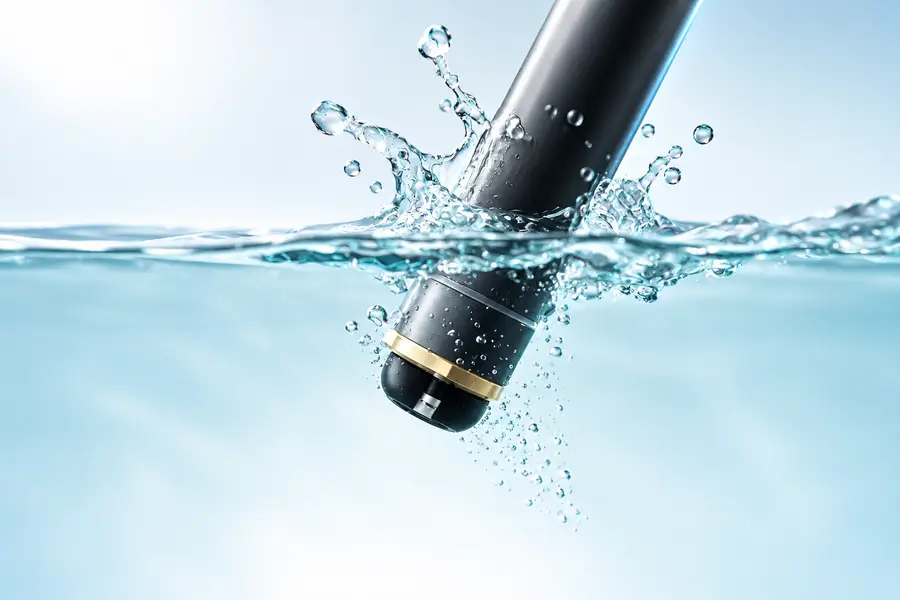
Open tanks, basins & reservoirs
Immersion-style mounting suspends the sensor directly in open tanks, basins, clearwells, or large channels. No pipe connection required — use a sealed immersion assembly at an approved depth, with suitable support and cable protection.
Best For
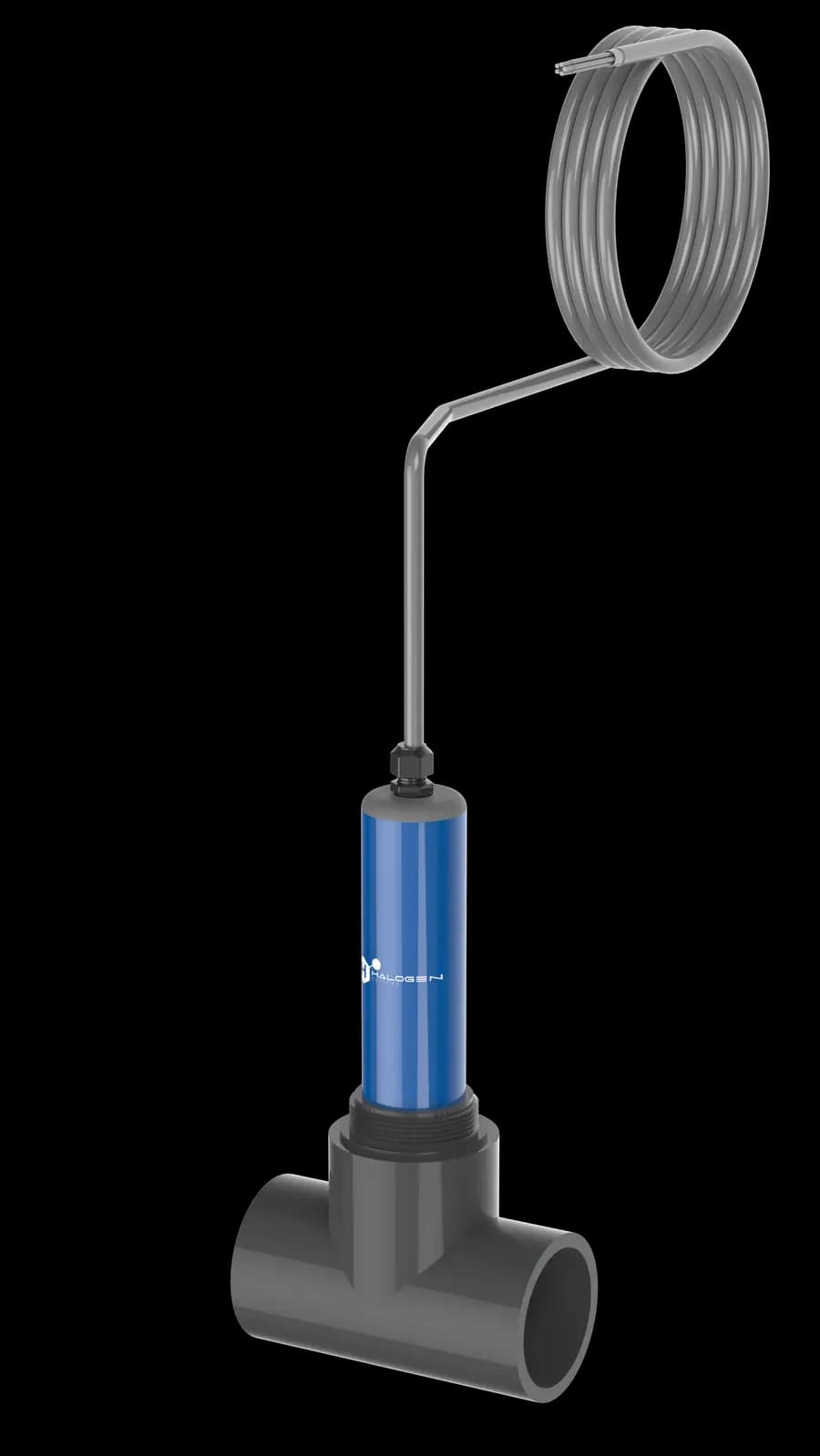
Direct inline — lowest cost option
The PVC tee mount integrates the sensor directly into a pipeline using standard plumbing fittings. The most economical installation option — no waste stream, no bypass, just a standard tee in the pipe.
Best For
Answer these questions to narrow down the right mount for your site.
Can you shut off the line?
Is it an open tank or reservoir?
Do you need wall mounting at a treatment plant?
Need the lowest cost solution?
Maximum pressure above 60 PSI?
Use Wet-Tap or PVC Tee (both rated 145 PSI). MKIT max is 60 PSI.
Still not sure? The Product Selector walks you through it step by step.
tuneOpen Product Selector
Confirm drinking-water certification, sensor compatibility and the pressure and temperature limits of the complete assembly. A side-stream installation also needs a suitable sample-water return or drain arrangement. Use the Product Selector to get the right combination for your site.
These examples show mounting and service access. Confirm the model, complete assembly and operating conditions for your site.
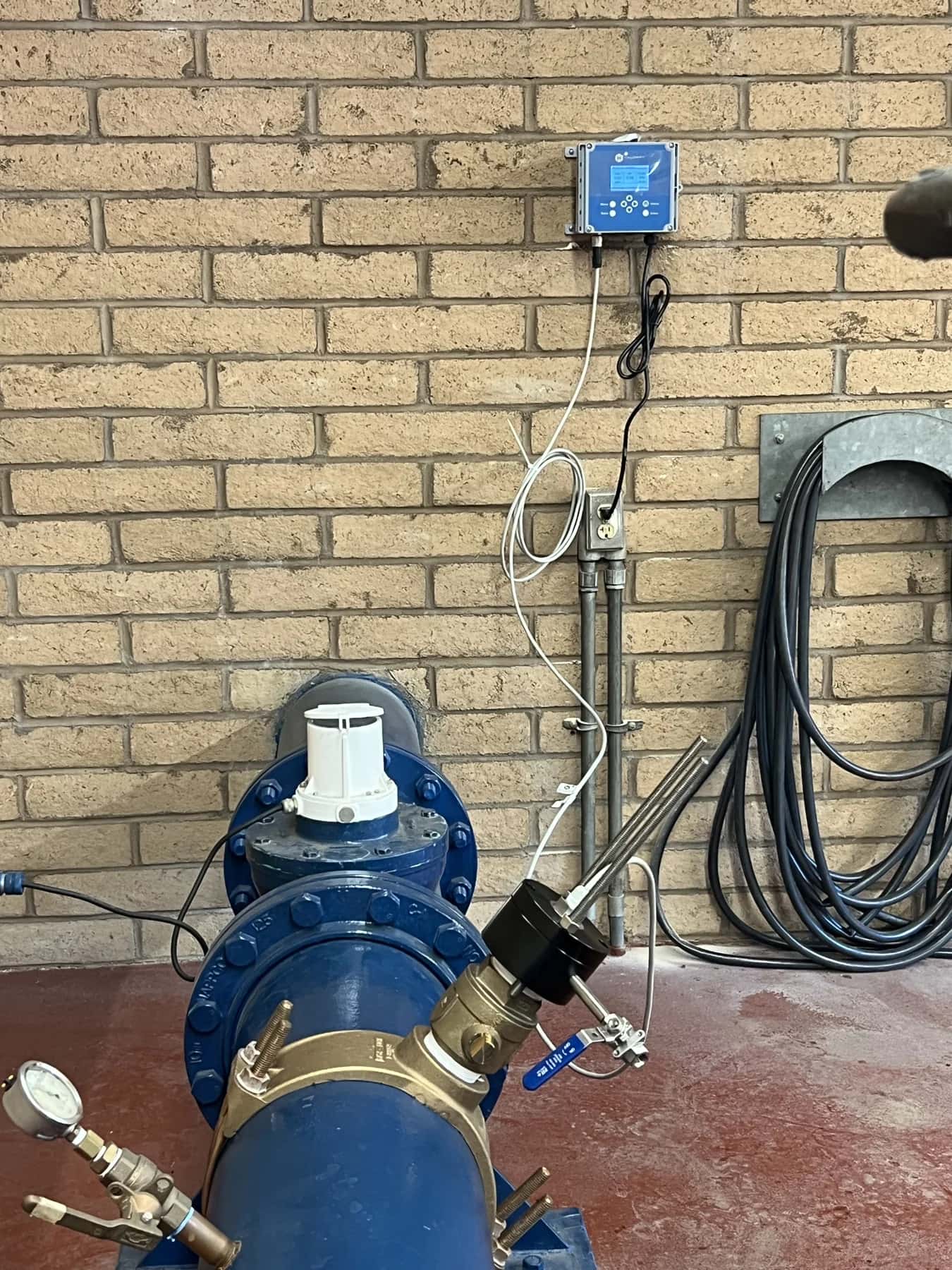
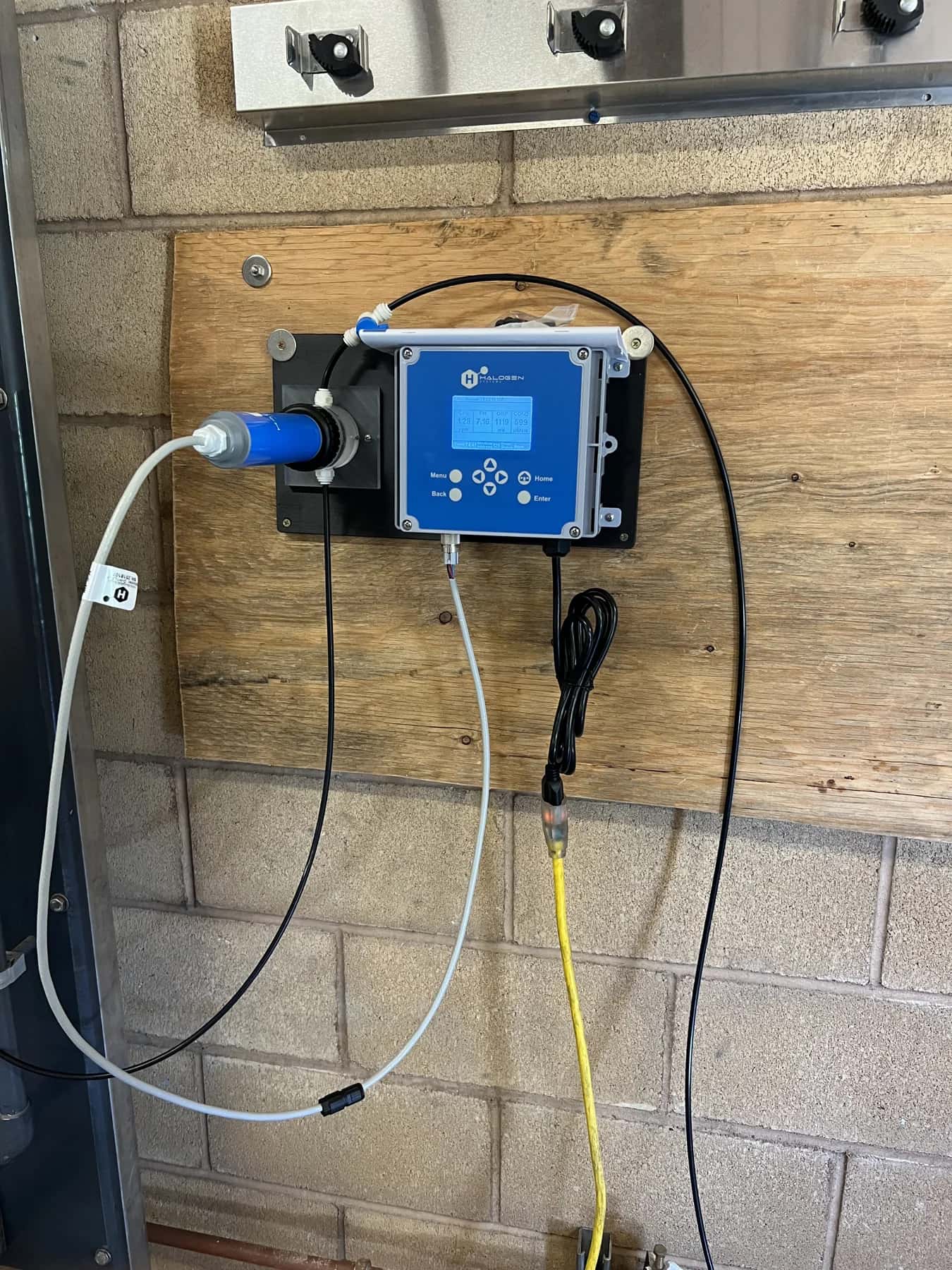
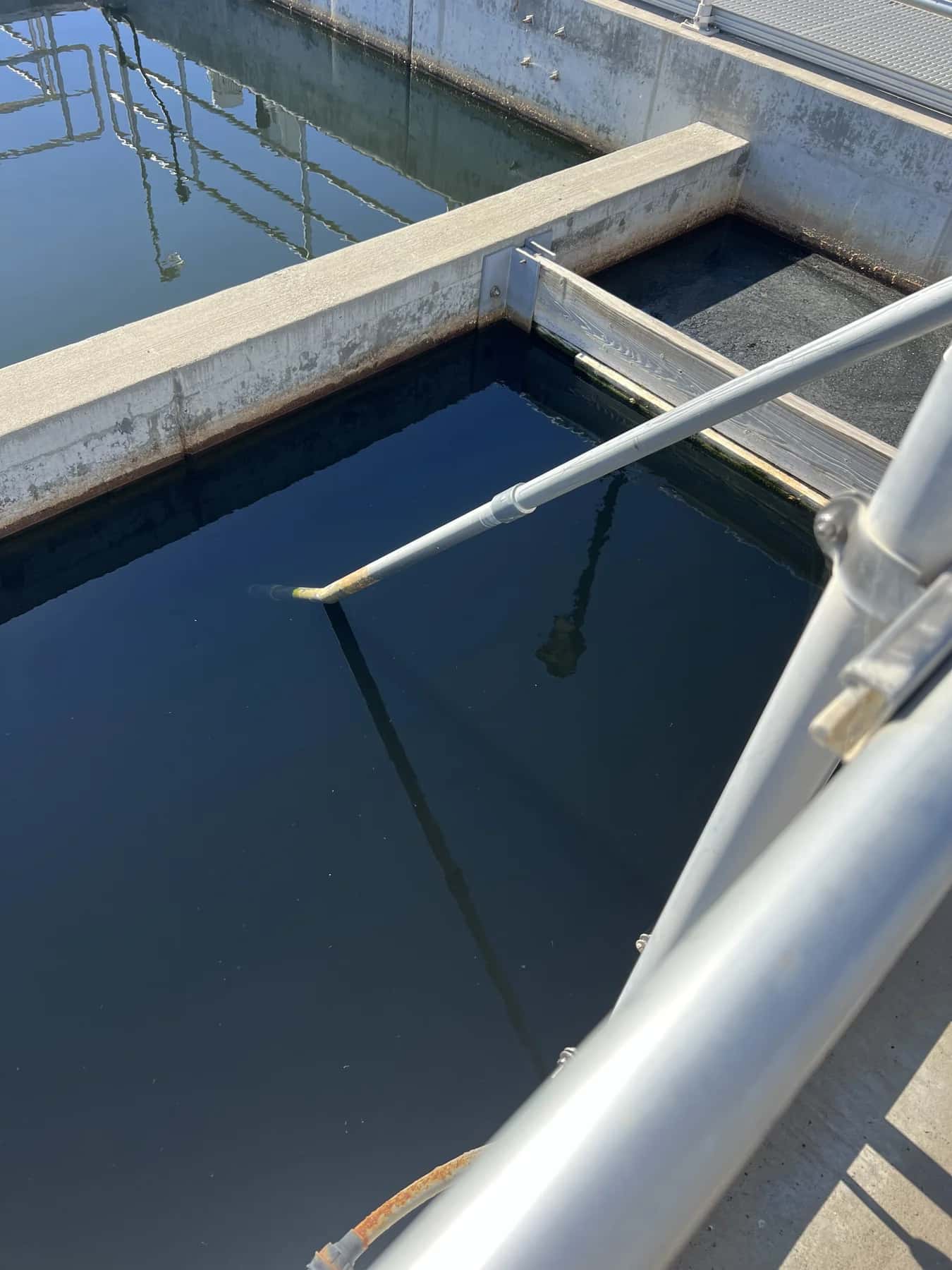
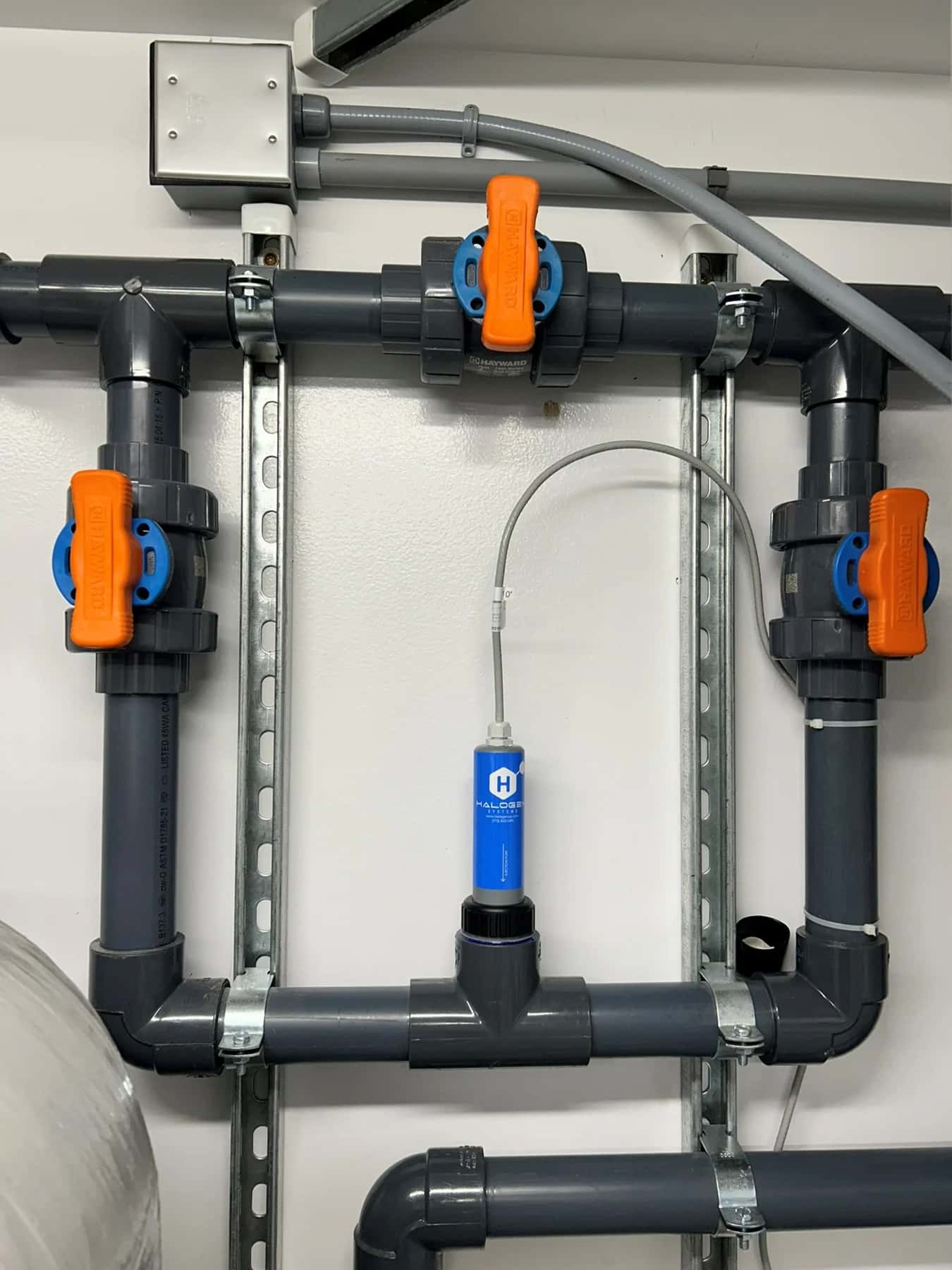
Explore real installations on distribution mains, in pipe rooms and vaults, and at tank connections. See the mounting hardware and space needed for service.
The specified valve and remover assembly allow sensor insertion and removal while the line remains in service. Confirm the complete configuration for your operating conditions.
Explore wet-tap installations →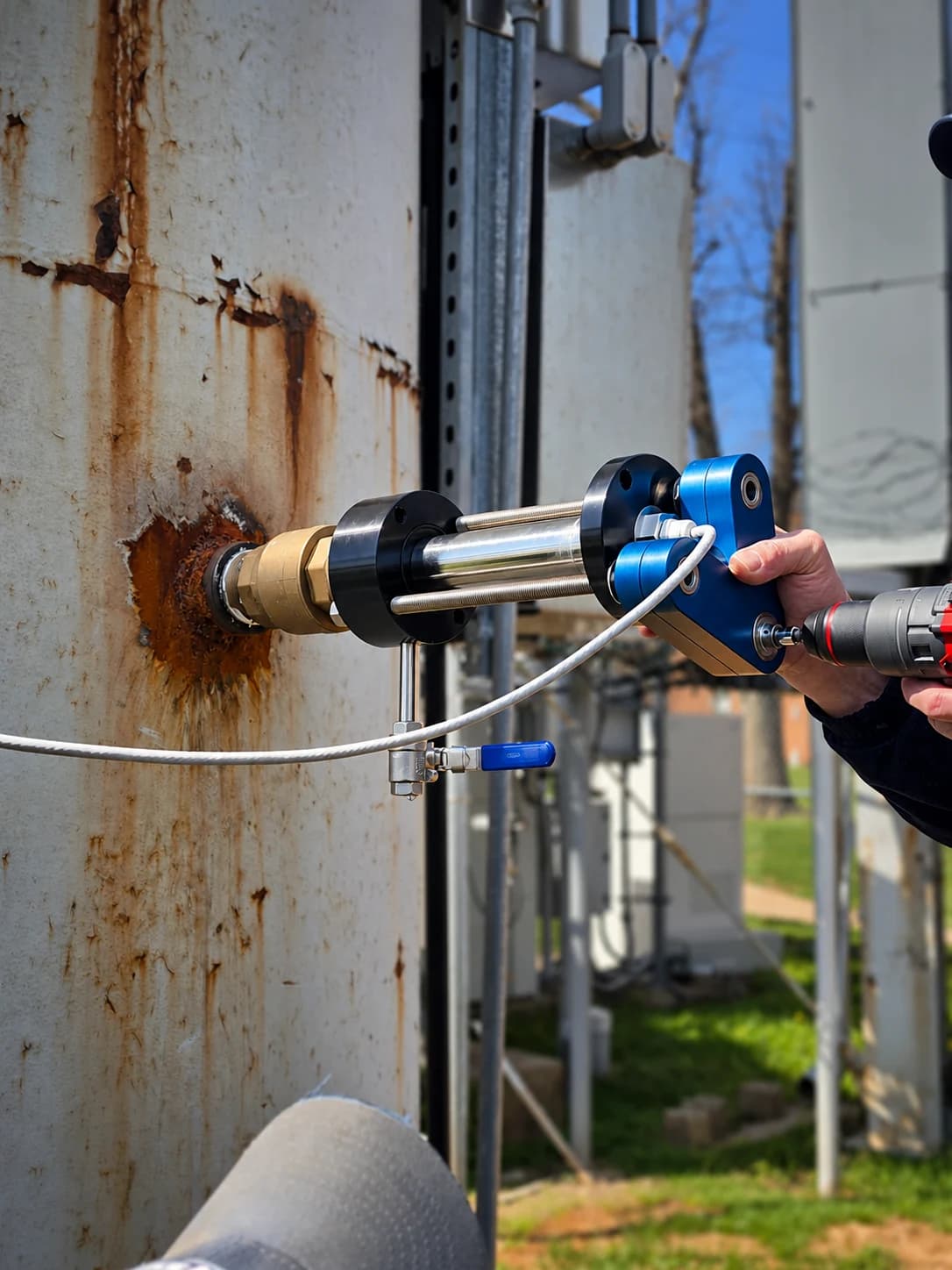
From one trial to four booster stations: Whittier reports more than two years of MP5 experience, no calibrations since installation, and reagent-free chlorine monitoring that keeps operator visits short.
Read the Whittier success story →Measure directly in your tank or reservoir—with no external sample pump, drain, or return line.
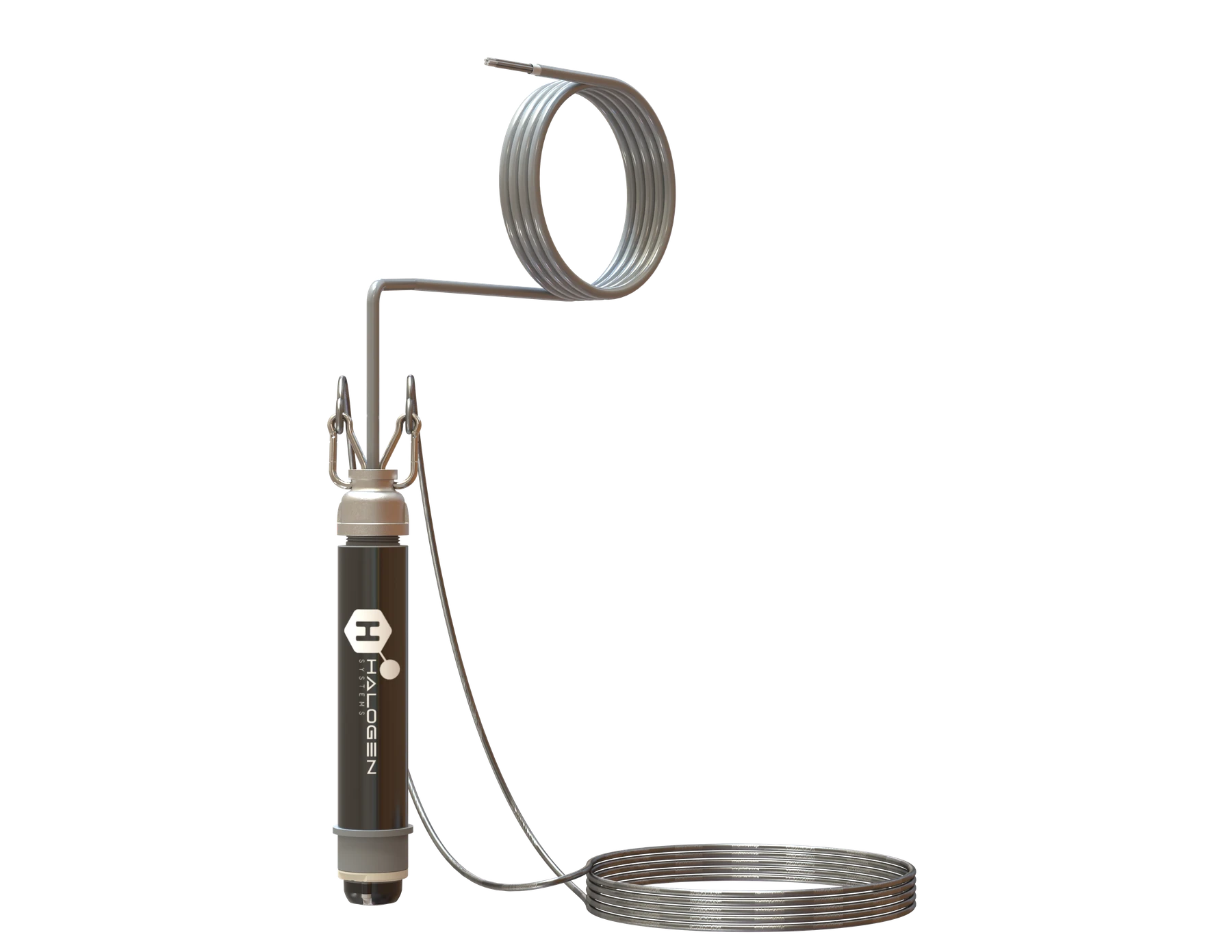
MP-TOTAL shown with cable and suspension hardware. The sensor measures directly in the surrounding water.
Explore MP-TOTAL →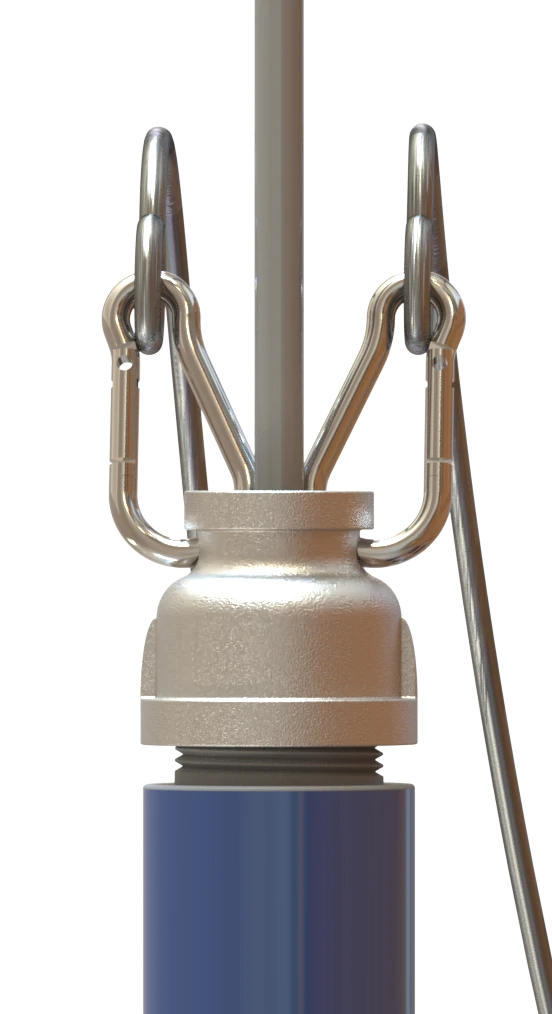
A closer look at the suspension bracket and cable entry on the free chlorine model.
View mounting detail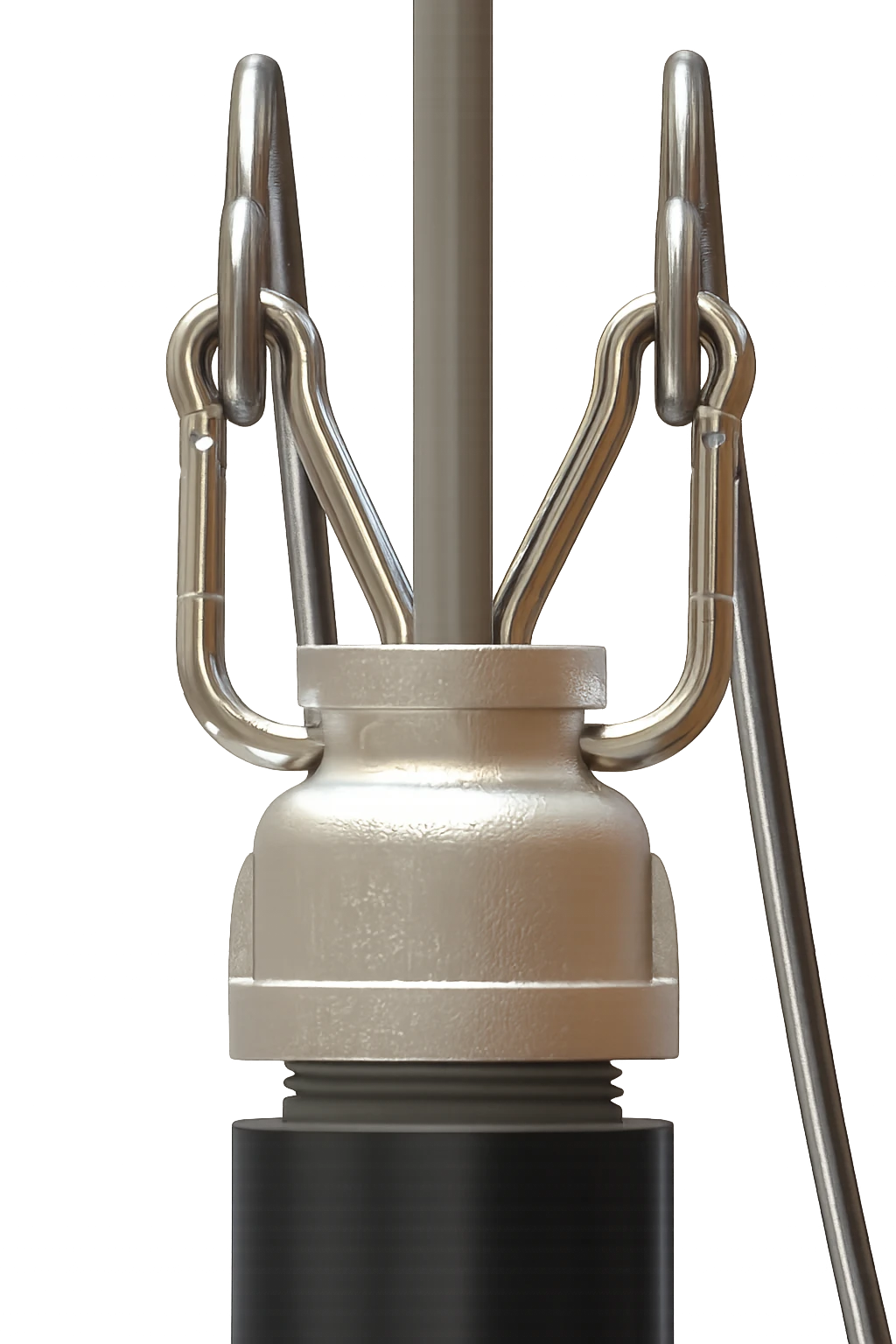
The mounting detail on the total chlorine model, shown at close range.
View mounting detailProduct renders show mounting details; final configuration follows the installation guide. Open any image for a larger view.
Powered wet-tap, remote battery and immersion examples with component and configuration checklists.
Plan a system and request documents →Prepare a pilot, wet-tap installation, D20 integration or remote site. Download a blank pilot record.
Use the checklists →Check the exact model, assembly, firmware and certification scope before specifying a system.
Review certifications →Bring your water chemistry, installation requirements and questions about the right configuration.