MP-5F free chlorine
For free-chlorine residual monitoring. The wet-tap data sheet lists the MP5A / MP-D ordering codes for the free-chlorine configuration.
Explore this sensor →
Direct in-pipe chlorine monitoring
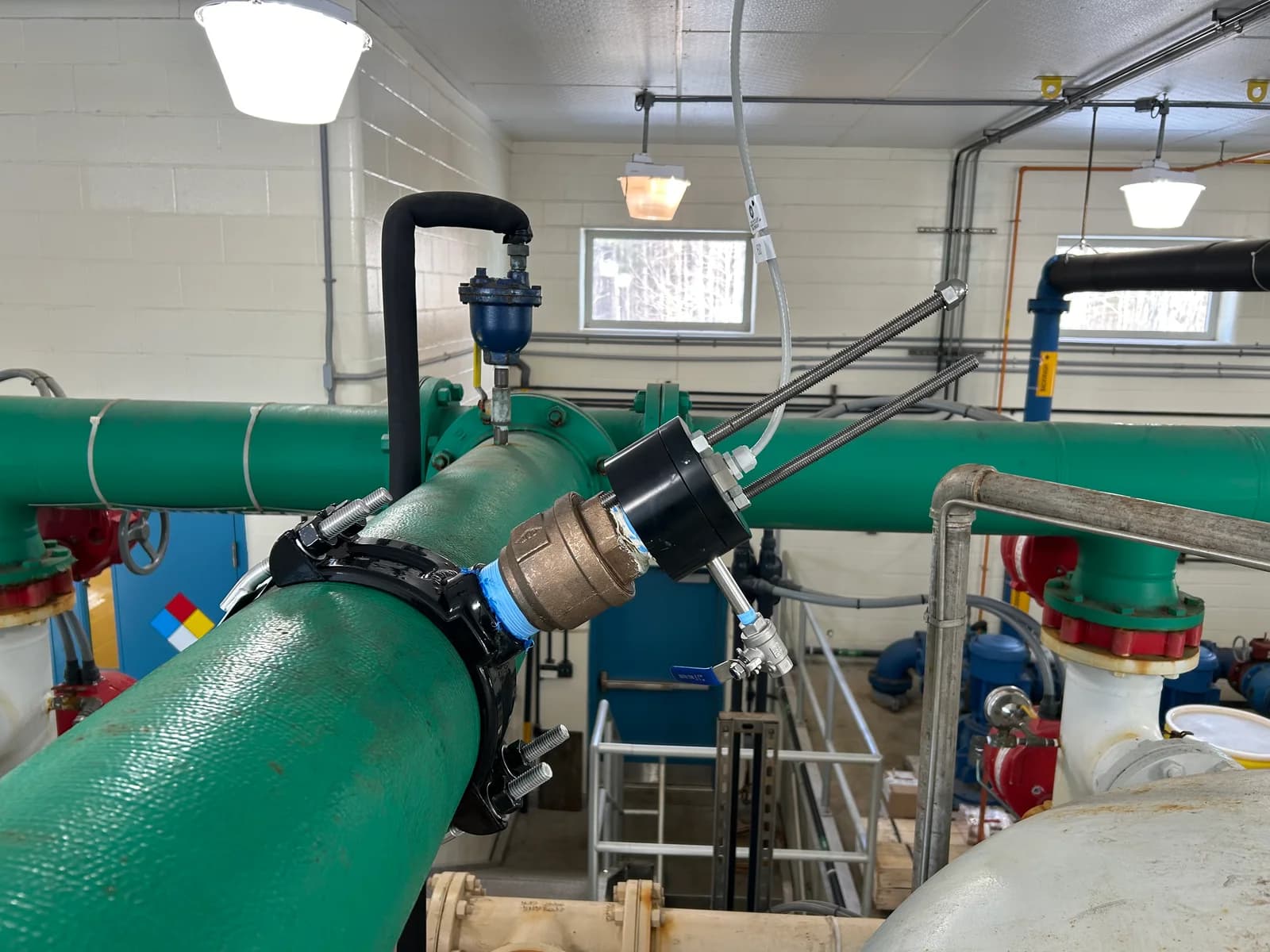
Wet-tap configurations bring MP-5F free chlorine or MP-Total monitoring directly into your water system. Install and service the sensor through the specified isolation valve and remover assembly while the line remains in service.
Free and total chlorine · Controlled revision 2026-10-22
4-inch and larger
Distribution pipelines
2-inch
Specified corporation stop
145 psi / 10 bar
Maximum approved assembly pressure
Confirm the complete sensor, valve, saddle and piping configuration for the site. Standard MP5 and MP-Total sample temperature: 0–45°C; ambient operating temperature: −10–55°C.
Where can it be installed?
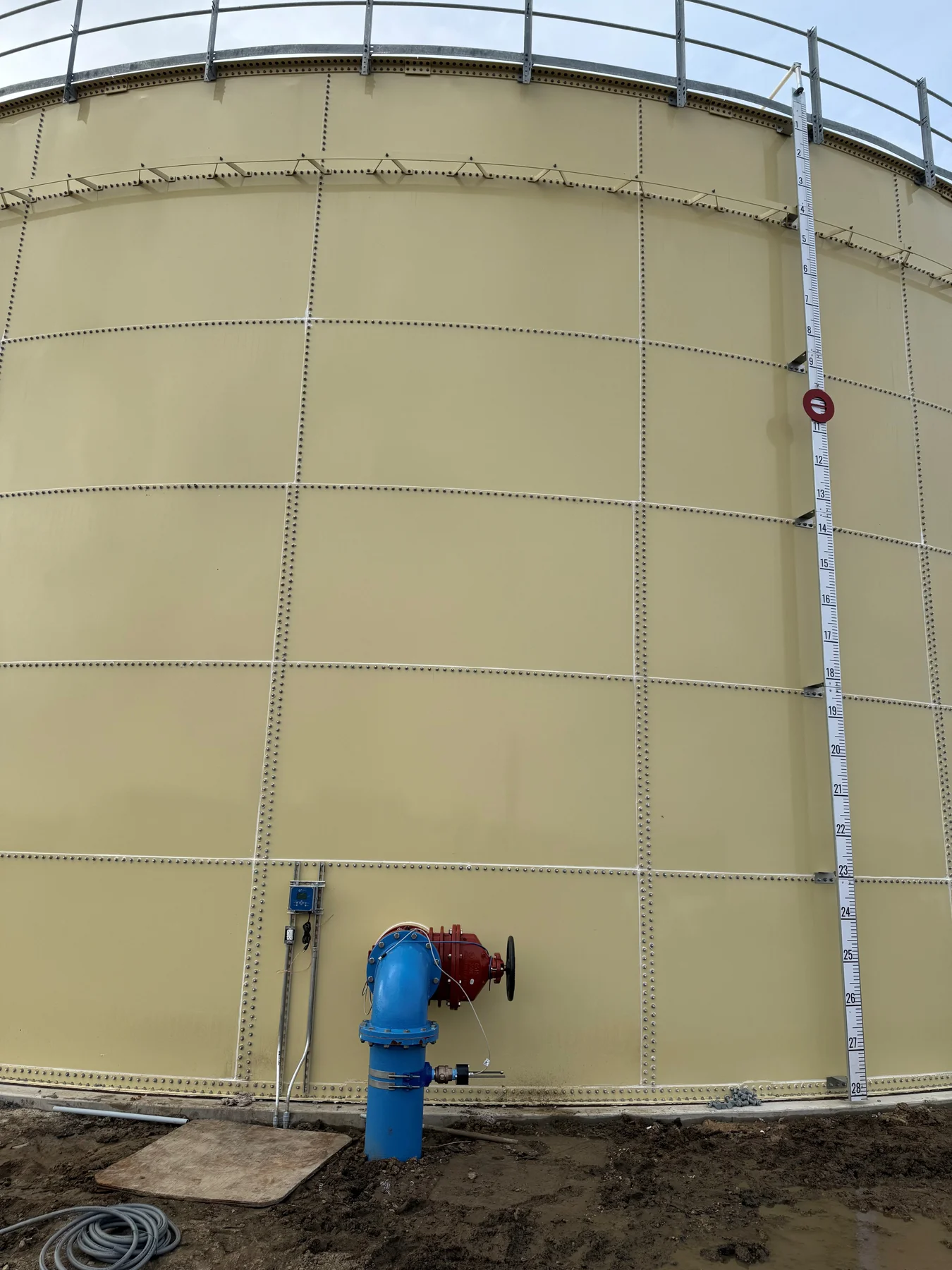
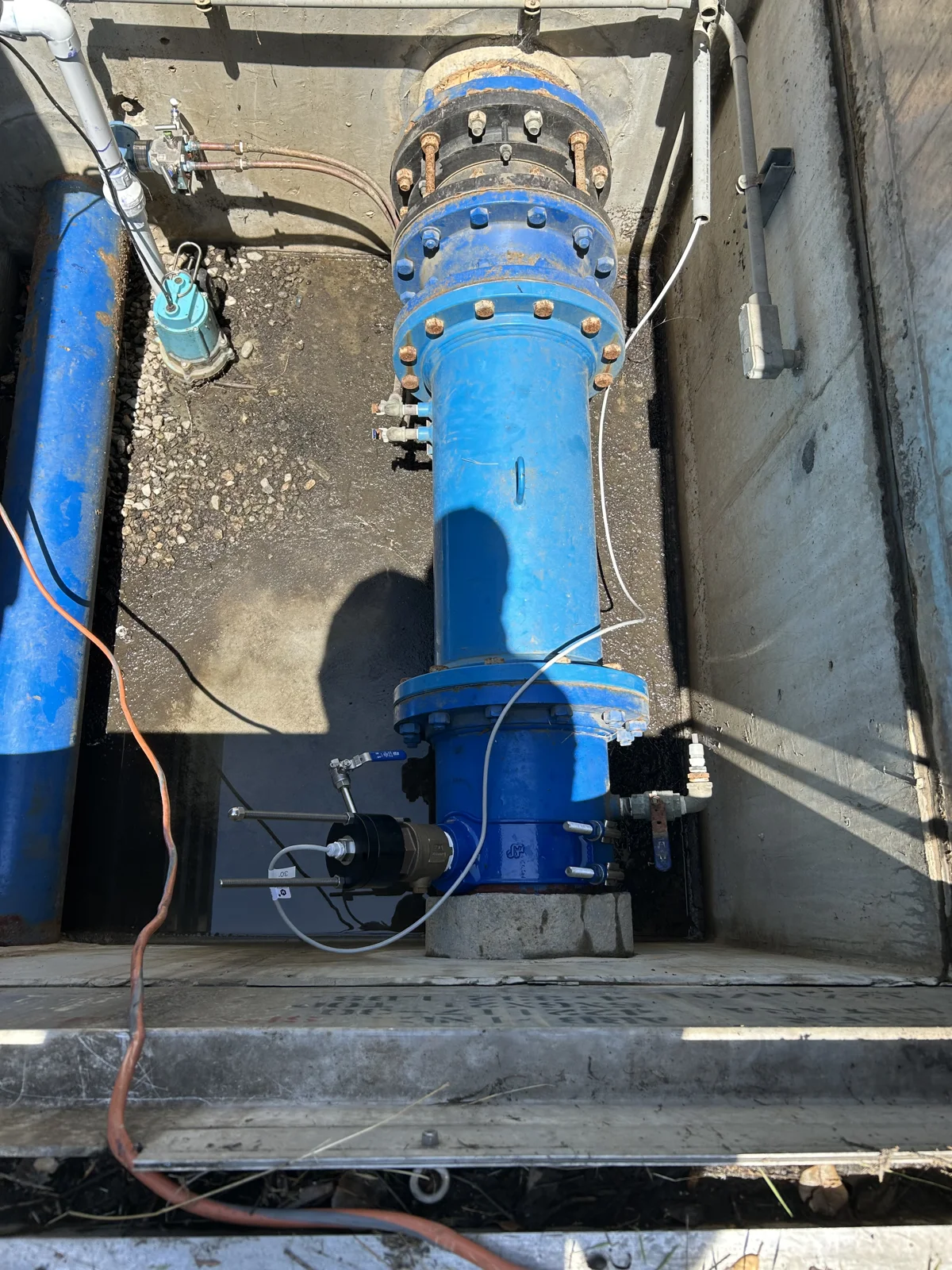
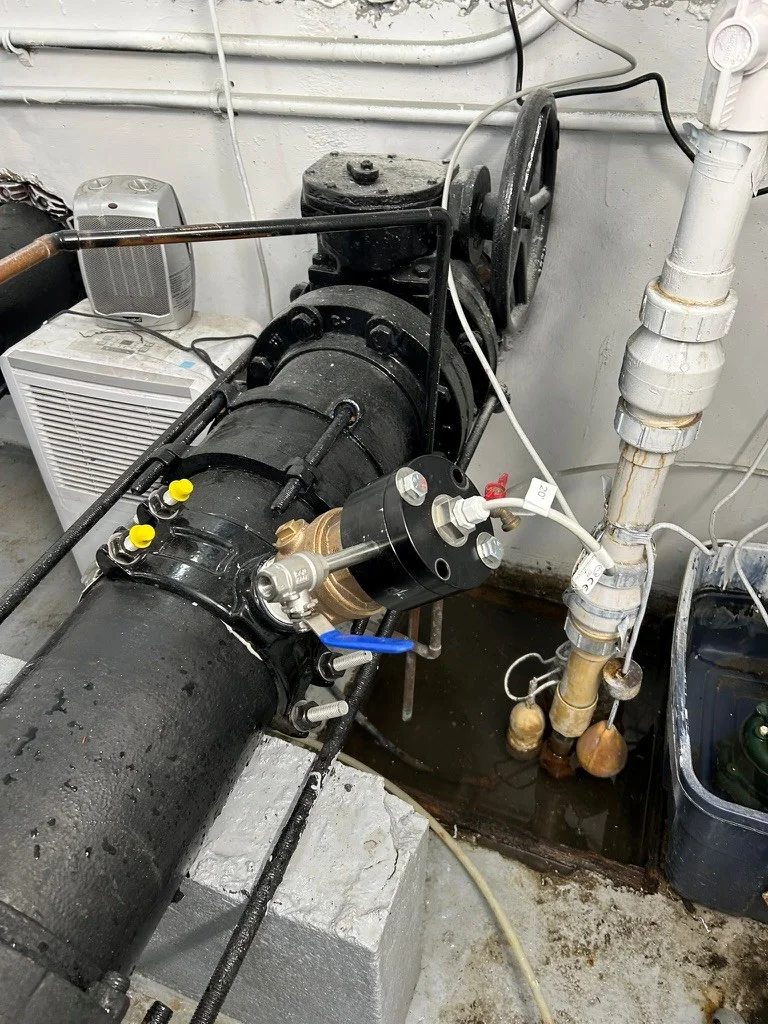
These installations show how the sensor, valve, remover and nearby equipment fit into real infrastructure. Open any photo for a closer look.
 View full photo ↗
A riser can provide an accessible monitoring point. Confirm flow direction and whether this location represents the water you need to measure.
 View full photo ↗
Whittier measures directly in the main. Plan working clearance, drainage, cable protection and access to the complete assembly.
 View full photo ↗
Fit the sensing point into existing infrastructure, with room around adjacent valves and enough clearance for service.
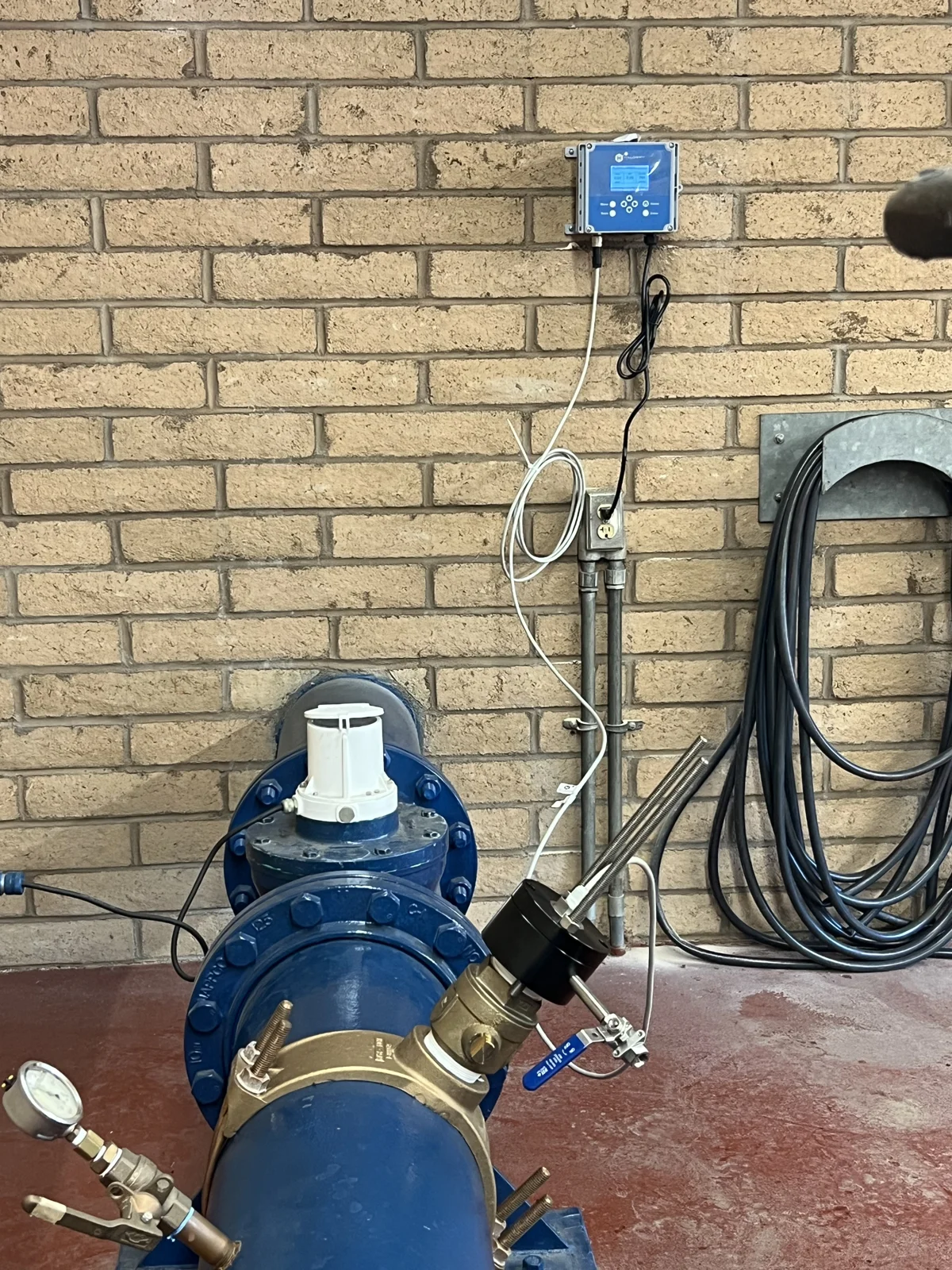 View full photo ↗
The sensor stays at the process pipe while the D20 display is positioned where operators can read it.
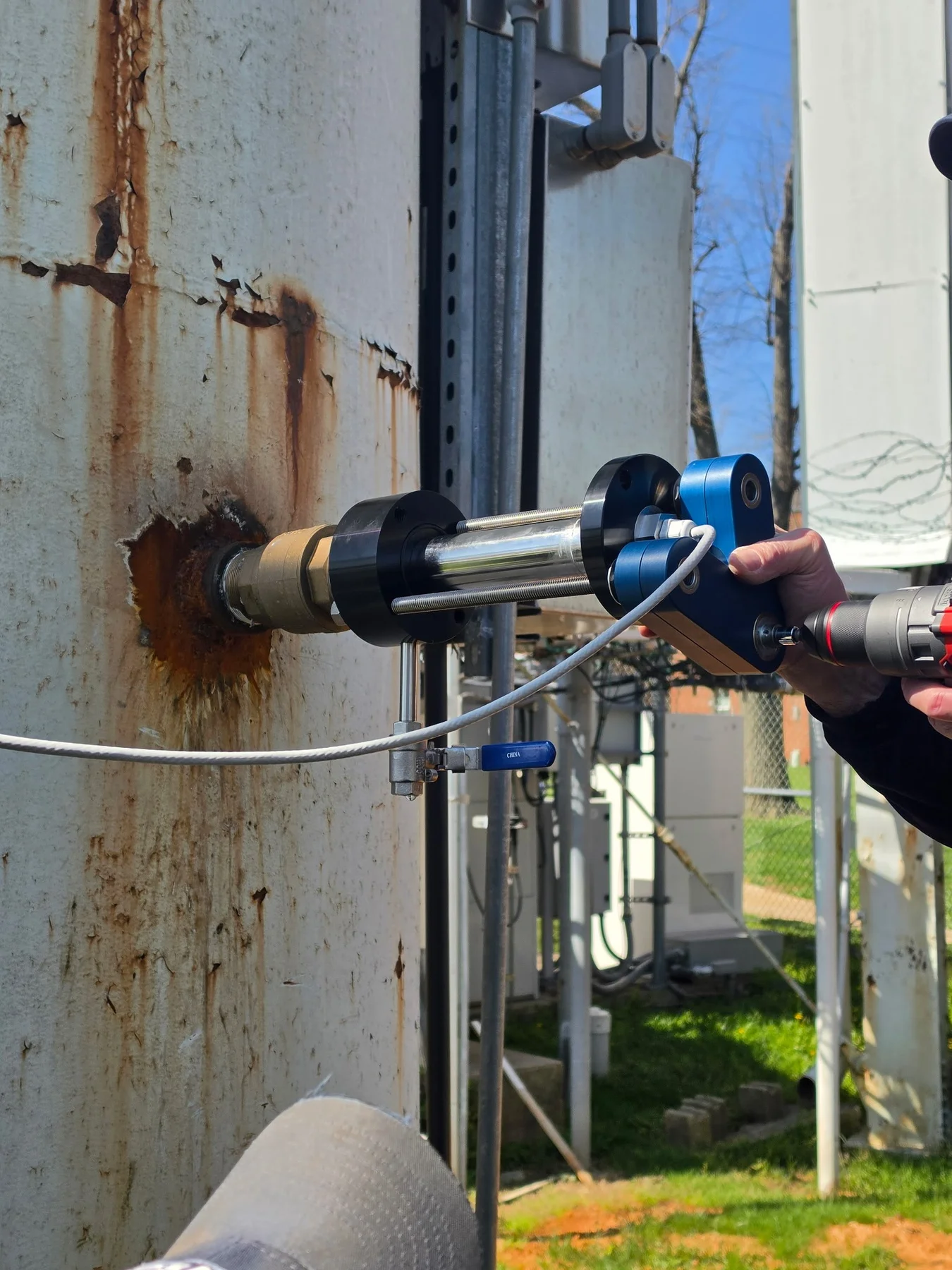 View full photo ↗
This field example shows removal-tool access at a tank wall. Confirm connection geometry, support and the required sensor reach for each project.
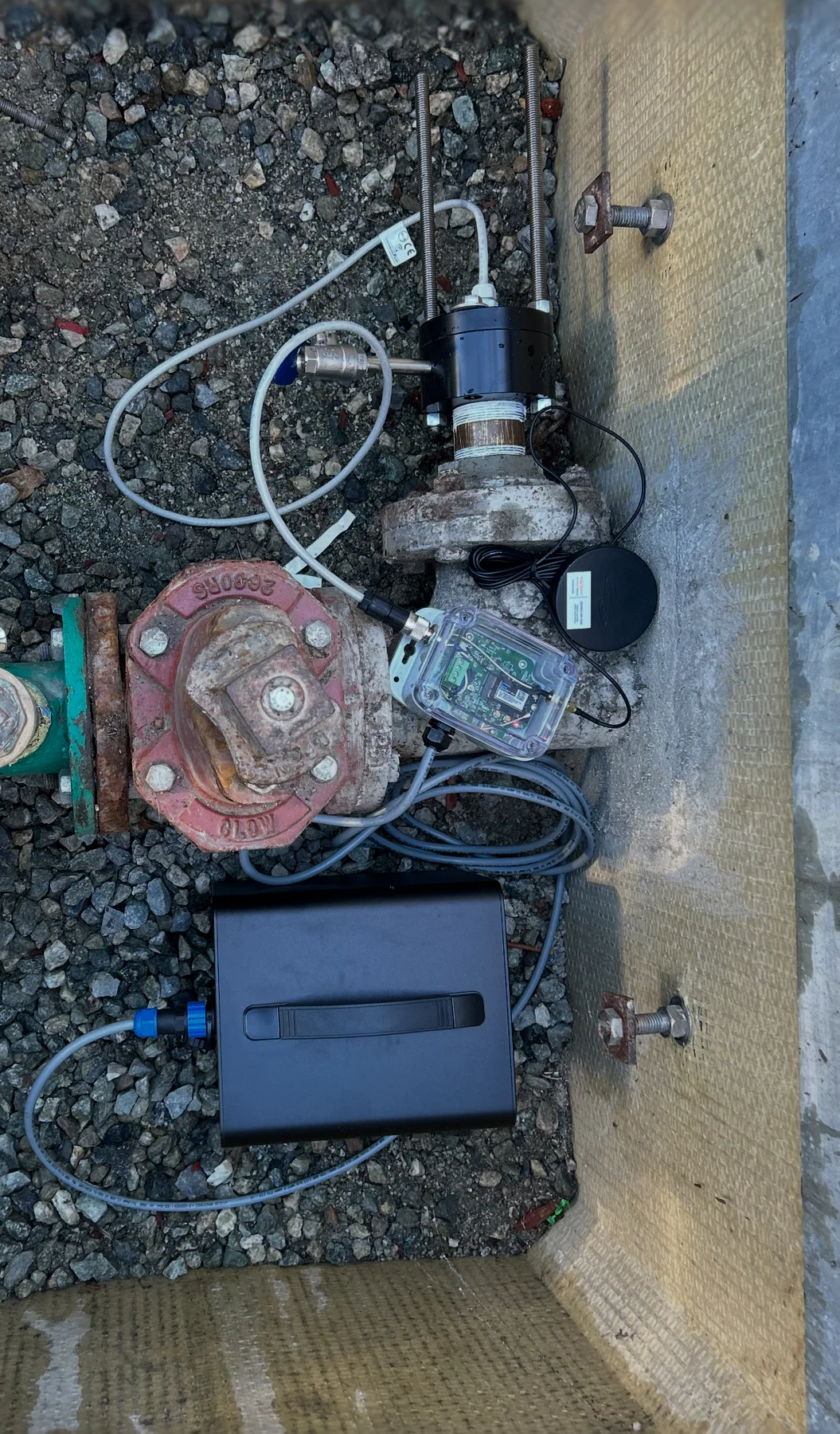 View full photo ↗
Plan moisture protection, power and communications together. The selected electronics and enclosure must suit the site.
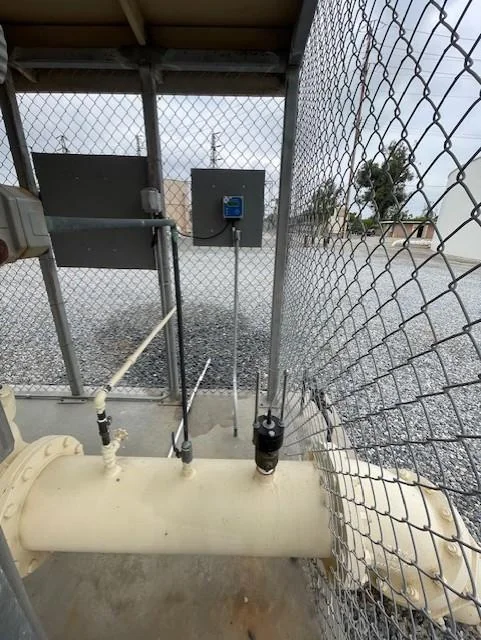 View full photo ↗
Lakewood’s published field example shows direct in-pipe measurement. Read the case study for the site-specific operating results.
Photos show different sites and hardware generations; they do not establish that every pictured sensor is MP-Total. Select the chemistry and mounting configuration for your application.
For free-chlorine residual monitoring. The wet-tap data sheet lists the MP5A / MP-D ordering codes for the free-chlorine configuration.
Explore this sensor →For total chlorine, monochloramine and free chlorine monitoring. The standard wet-tap ordering code is MP-T-H2WT-P; extended configurations use MP-T-H2WT-P-L2 or -L3.
Explore this sensor →Plan the installation
The remover retracts the sensor through the specified 2-inch corporation stop. Extended 4-inch and 6-inch sensors require matching RMR-WT-L2 and RMR-WT-L3 remover kits.
Use the current installation procedure for your exact assembly. Pipe orientation alone does not determine suitability: verify flow direction, sensor discharge direction, a fully flooded sensing cell and the required insertion depth.
Bring your water chemistry, installation requirements and questions about the right configuration.
Book a meeting with Travis