ANSWERS FOR ENGINEERS & CREWS
Before you specify or replace a sensor.
Does a Halogen TRO sensor need a separate controller?
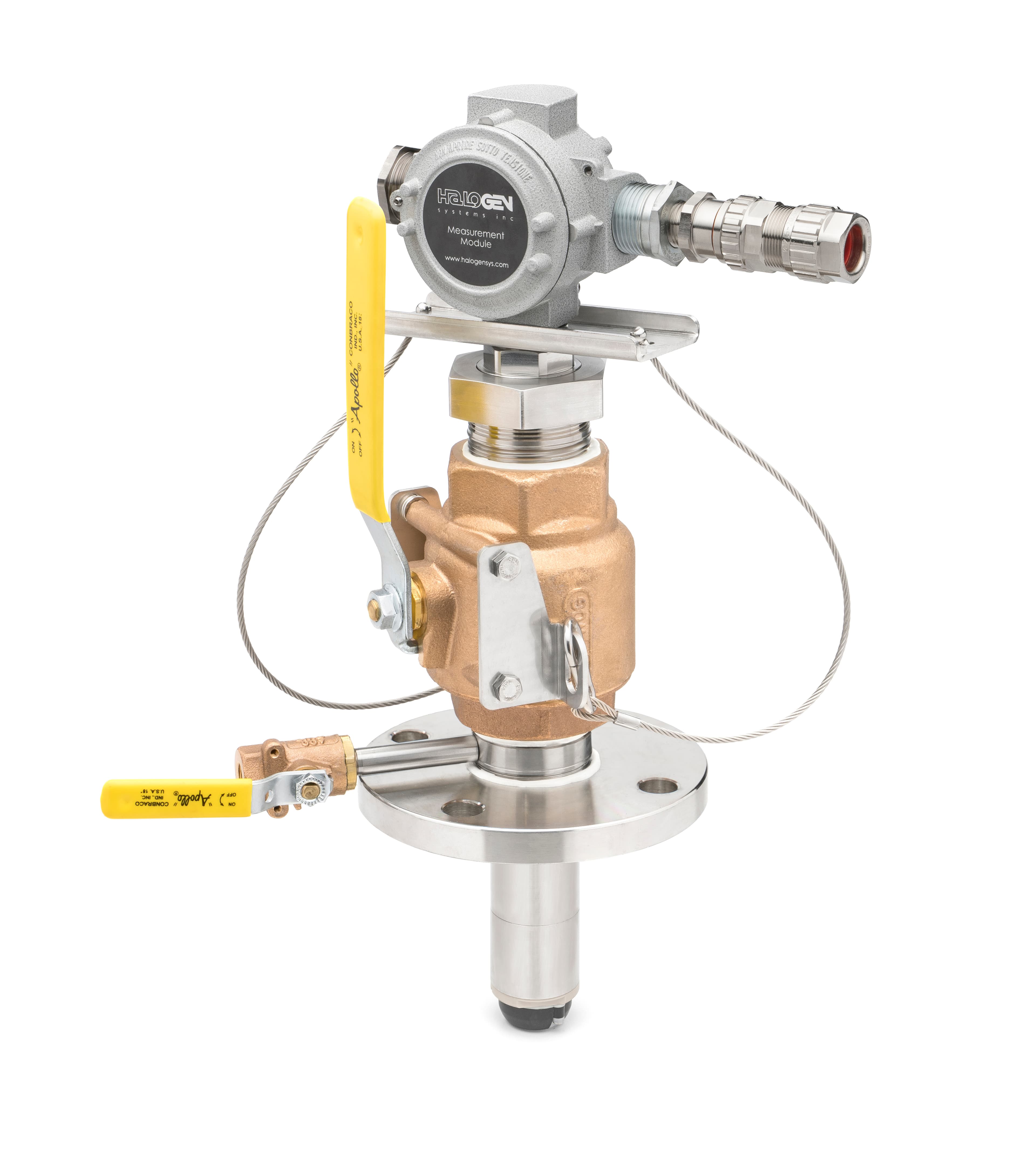
No. An OEM can integrate the TRO sensor directly into its PLC using Modbus RTU, without a separate Halogen controller. This requires PLC integration development and commissioning for the selected sensor configuration, including measurement mapping, status handling and system control logic. Direct pipe insertion and direct PLC communication give the OEM flexibility in both mounting and control-system design.
Can OEM manufacturers use their own branding and operator interface?
Yes. OEM manufacturers can present Halogen TRO measurements through their own PLC and branded HMI rather than a separate Halogen controller. The OEM develops the interface, alarms and control logic within its own system. Discuss sensor labeling and the required integration configuration with Halogen during the design review.
What is a TRO sensor in a ballast water management system?
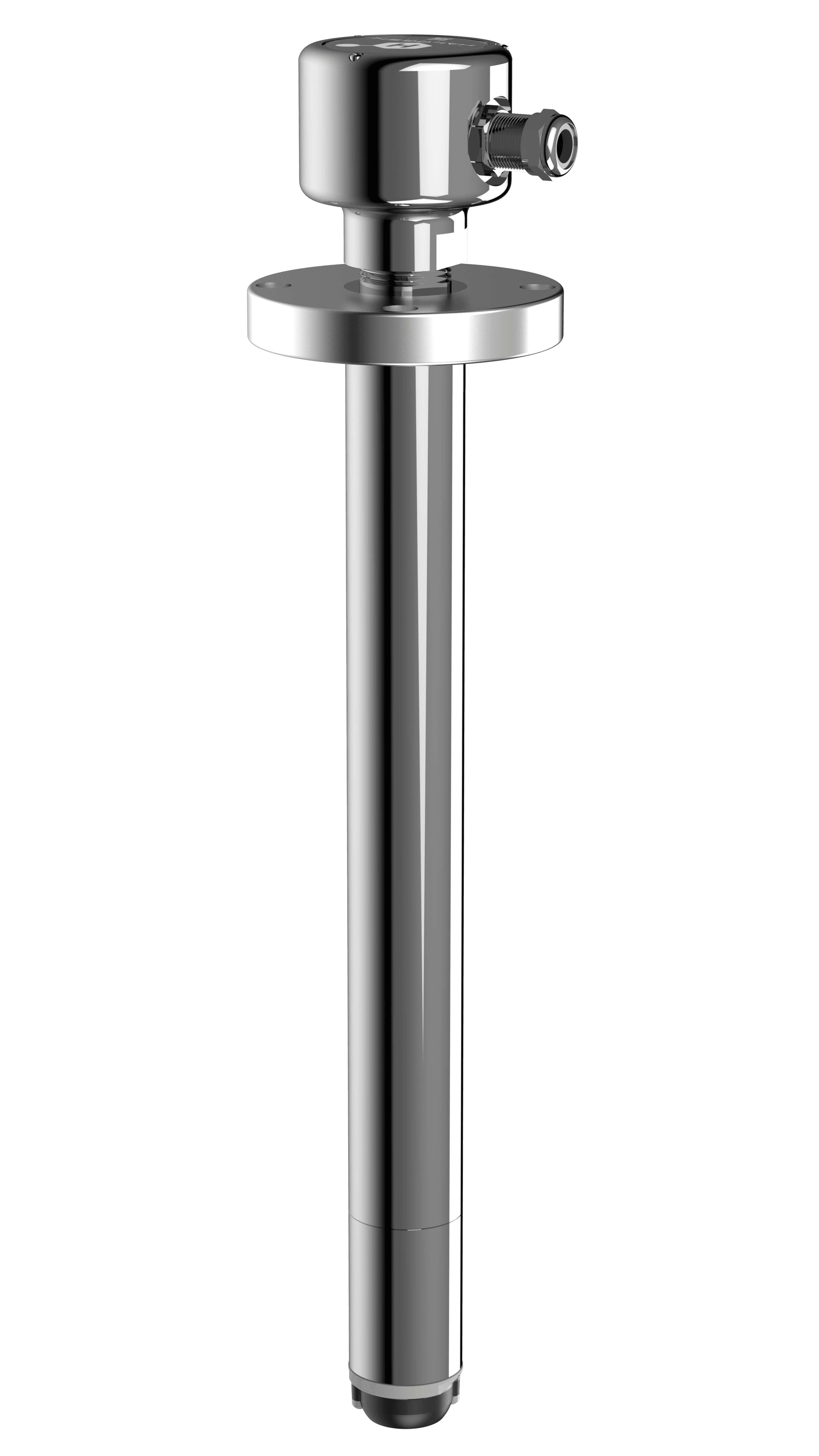
A Total Residual Oxidant (TRO) sensor measures residual oxidant in treated ballast water. In an electrochlorination BWMS, that measurement supports treatment control, neutralization dosing and final discharge verification. Halogen provides reagent-free sensors for direct pipe insertion and side-stream installations.
What does the Halogen marine sensor measure?
The marine range reports chlorine (TRO), oxidation reduction potential (ORP), conductivity / salinity, temperature and pH where configured. The published TRO range is 0.03–20 ppm, with accuracy of ±15% or ±0.06 ppm, whichever is greater. Communication is Modbus RTU.
Why choose a reagent-free TRO sensor at sea?
Reagent-based monitoring adds chemicals to the vessel’s stores, with storage conditions, usable life and replacement schedules to manage. Halogen measures TRO without analytical reagents, removing that resupply dependency from the measurement. Treatment and neutralization chemicals remain separate requirements of the BWMS.
Can fouled sample tubing change a TRO reading?
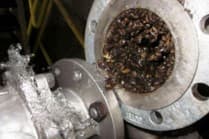
Yes. Deposits and biofilm in a sample line can consume oxidant before the water reaches the analyzer, so the reading may understate the residual in the ballast pipe. Transport time also delays the reading. Direct pipe insertion removes that external sample-line path; the sensor still needs correct placement and routine verification.
How do I identify a privately labeled TRO sensor?
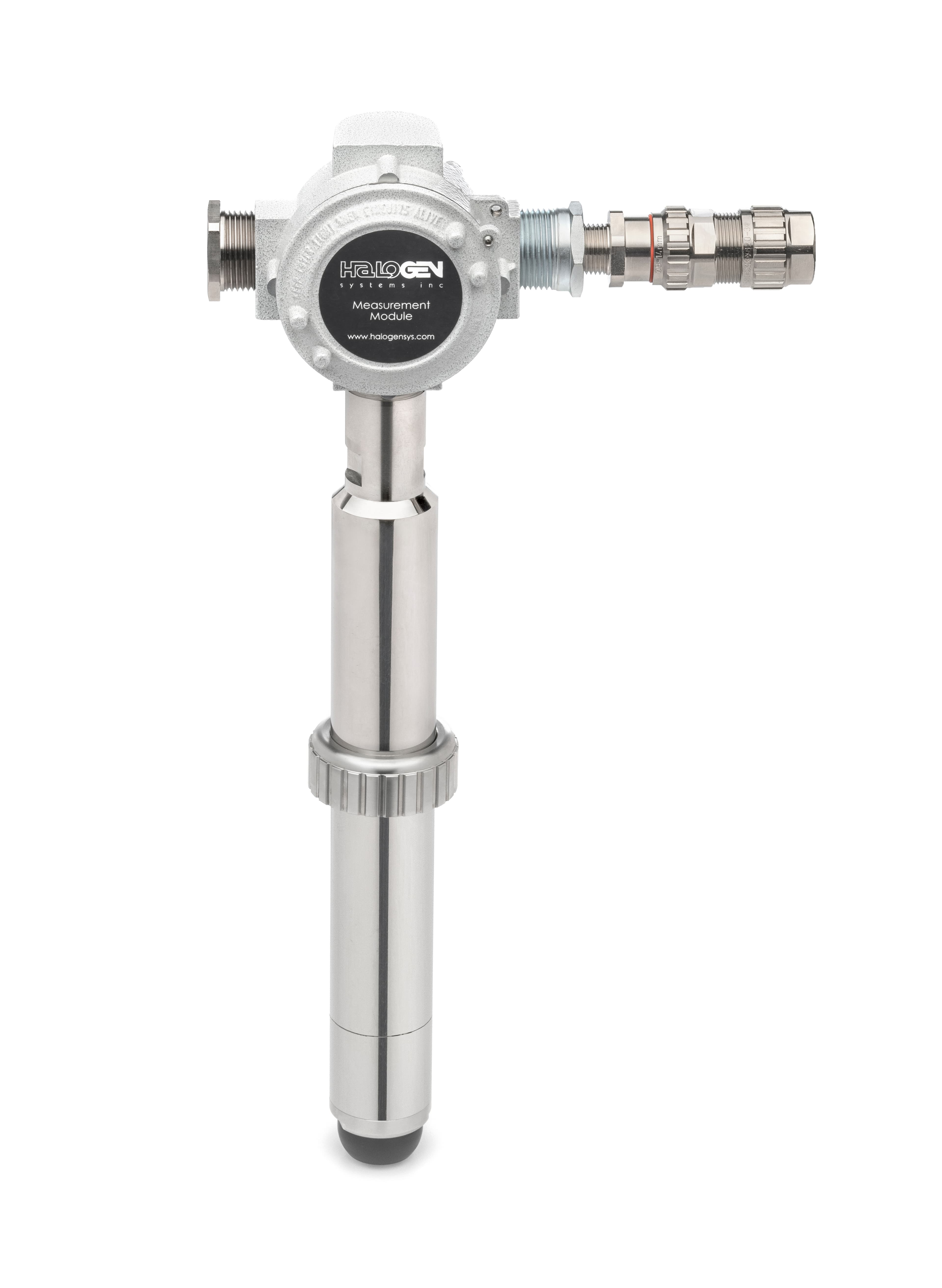
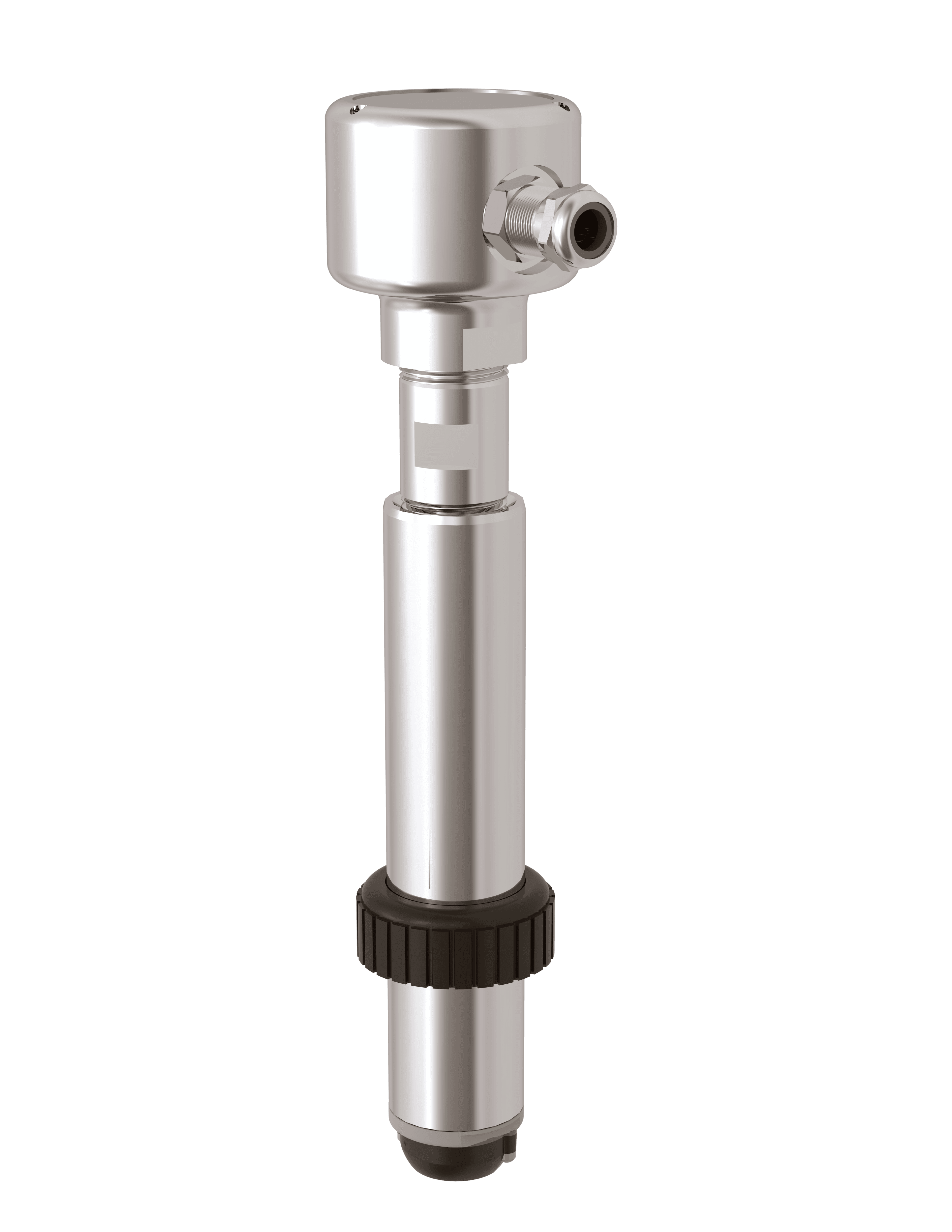
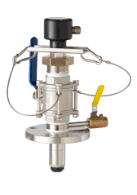
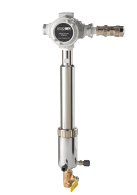
Your system documentation may call it a TRO monitor, residual oxidant sensor or measurement module. Halogen sensors can be supplied under a system supplier’s label. Send the nameplate, serial number, photos of the probe and mounting assembly, and the BWMS make and model. We can help establish the sensor identity and the correct service route.
Can I order a replacement from a photograph?
A photo starts the identification process. Before ordering, match the part number, insertion length, mounting, electrical interface, firmware requirements and area classification to the installed system. Similar housings do not establish interchangeability.
Where does a TRO sensor fit in an electrochlorination BWTS?
Typical monitoring duties include checking oxidant after electrolysis, measuring remaining residual during de-ballasting, and verifying neutralization before overboard discharge. Use the measurement points and acceptance criteria specified for your treatment system.
Can Halogen help with offshore seawater monitoring?
Yes. Share whether the duty is ballast treatment, a seawater intake or a cooling-water circuit, together with oxidant chemistry, expected residual and installation conditions. The team can review the appropriate sensor configuration for your vessel or facility.
Does TRO mean every oxidizer in seawater can be measured?
No. Define the oxidant chemistry and the reporting basis for your process. A chlorine-based seawater treatment duty should not be treated as evidence of suitability for every other oxidizer. Ask for a review of the actual treatment chemistry.